Get Full Government Meeting Transcripts, Videos, & Alerts Forever!
Get email alerts on the Municipal Budget topic
No spam. Unsubscribe anytime.
Boulder City presents preliminary FY27 budget, plans $4.1M one‑time draw to cover shortfall
Summary
City staff presented a preliminary FY27 operating budget showing recurring revenues below recurring expenses and a plan to use $4.1 million in general fund balance and one‑time execution fees to close the FY27 gap, while pursuing fee, rate and operational reviews to address a structural deficit through 2030.
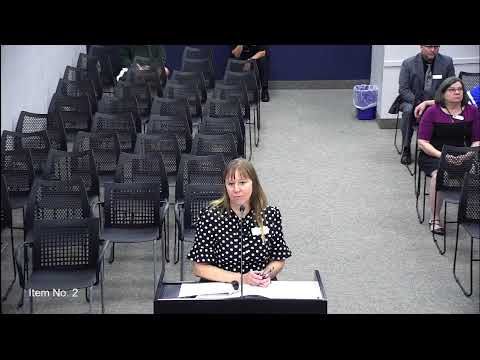
Boulder City officials presented the preliminary fiscal year 2027 operating budget at a special council workshop, saying the city will cover a projected shortfall for next year largely with one‑time funds while pursuing long‑term revenue and efficiency measures.
Budget Manager Angela Menan told the council the proposed FY27 budget includes no new staff, departmental spending reductions of about $590,000 and a plan to use $4.1 million from the general fund balance to cover one‑time costs. "We're going to utilize general fund balance to address one‑time costs of $4.1 million," Menan said during the presentation.
The presentation and subsequent discussion emphasized a structural gap between recurring revenues and recurring expenses: staff listed recurring operating revenue for FY27 at $42.8 million against recurring expenses of $45.4 million, a shortfall the city plans to manage through a combination of one‑time execution fees, temporary transfers from reserves and multi‑year policy changes. "The ongoing expenses were higher than the on than current ongoing revenues," Menan said, outlining choices including concluding union negotiations to confirm labor costs, reviewing fee schedules and completing a utility rate study.
Council members pressed staff on assumptions and timing. Council members and the city manager repeatedly framed the use of fund balance as a deliberate, temporary measure rather than a long‑term fix. The city manager said staff expects recurring revenues to catch up in 2030 when a planned Black Hills North lease comes online, estimating roughly $2 million in lease revenue plus battery storage fees would help close the gap.
Staff described the composition of the city's fund balance and the difference between spendable and non‑spendable accounting items. Menan noted the FY25 audited general fund balance totaled $36.9 million, of which $6.9 million is the operating reserve and $16.9 million is unassigned and available for one‑time uses; the presentation also flagged large non‑spendable GASB accounting adjustments.
The council heard department‑level changes: police spending rose about 3% for cost‑of‑living adjustments and benefits; fire rose about 11.9% driven by COLA and overtime; parks recorded a $411,000 reduction tied to the temporary closure of the municipal pool for reconstruction. Menan said headcount remains at 223.4 full‑time equivalent positions for FY27.
Staff outlined next steps and schedule: the tentative budget has been submitted to the state, a public hearing notice will publish May 18, and the council is slated to consider final approval at its May 26 meeting. Council members asked staff to circulate a list of land leases and expirations for further review.
No vote or formal action was taken during the workshop; staff said they will incorporate council direction and return with any requested clarifications before the May adoption vote.