Get Full Government Meeting Transcripts, Videos, & Alerts Forever!
Get email alerts on the Land Use topic
No spam. Unsubscribe anytime.
Jasper County board denies setback and buffer variances for Low Country Paver at 535 Steiny Road
Summary
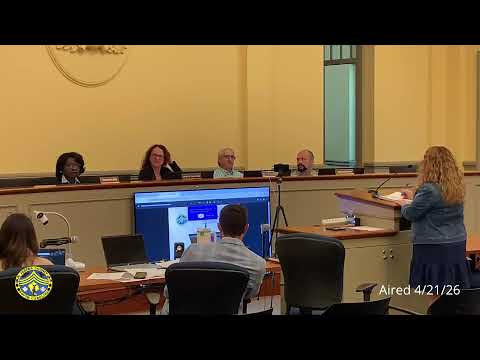
After a two-hour hearing with testimony from landscape and civil engineers, the applicant and several nearby residents, the Jasper County Board of Zoning Appeals voted 4-0 to deny Low Country Paver LLC’s request to reduce rear setbacks to as little as 1.1 feet and to substitute an 8-foot masonry wall for required vegetative buffers at 535 Steiny Road.
The Jasper County Board of Zoning Appeals on Tuesday denied a pair of variance requests from Low Country Paver LLC and Curry Creek Ready Mix for a property at 535 Steiny Road, finding the applicants had not met the statutory standards for undue hardship or lack of detriment to neighbors.
The board voted 4-0 to approve motions denying both a requested reduction of the 15-foot rear setback to as little as 1.1 feet and a request to substitute an 8-foot masonry wall for the ordinance’s required vegetative buffer. The board chair said, “we have not found that the four elements of the statute are in the record,” citing applicant-created conditions and possible harm to adjacent properties.
The request came after staff described the application and an amended packet of exhibits, including a South Carolina Department of Environmental Services notice of intent (NPDES general permit) and engineering plans. Staff summarized the variances sought under the Jasper County Development Ordinance (setbacks in Article 7, Table 1; buffer requirements in Article 12, Table 4) and outlined the legal criteria the board must apply to variance petitions.
Applicant attorneys and engineers told the board that the site is functionally divided by a dirt/green road (referred to in materials as Richard or Louisa Jones Road), which they said forces truck circulation to loop in and out via Steiny Road and constrains placement of necessary facilities. Barry Johnson, attorney for the applicant, introduced the team and said the amendments to the packet were intended to clarify site logistics. Owner Tom Curry described the property’s business history dating to 1998 and said the operation now employs about 60 people in multiple related companies.
Engineers with Alliance Consulting and London Engineering described the layout and the site’s wash-water system. Raphael, an engineer for the applicant, explained the settlement pool’s design, saying the pond consists of multiple baffles and “this water never leaves this set of baffles,” describing how settled solids are retained and cleaner water is pumped back for truck washout.
County counsel and staff noted evidence in the record, but also recommended conditions if a buffer variance were ever considered; staff proposed a 10-foot decorative, architectural wall rather than an industrial concrete block wall.
Neighbors, however, told a different local story. Several residents said they have experienced new or worsening flooding, cement-laden runoff and persistent dust since the current operator expanded operations. Neighbor Diane Riley read a lengthy public comment describing repeated standing water on her property, photographs of sediment in roadside ditches and strong concern about public-health and property impacts; she told the board the settlement pool sits “right about 6 to 8 feet from my property.” Another resident, Benjamin Brown, said the work runs late into the night and has caused dust and respiratory concerns for his family.
Applicant representatives disputed that site water leaves the property and pointed to daily drone photos, aerial exhibits and the SCDES permit and inspections. County attorney Bernie Ward clarified that the contested private road remains open and operational and has not been closed by the county.
After receiving public comment, the board entered an executive session to deliberate. Returning to open session, members said the record did not show the statutory extraordinary conditions or that denying the variances would effectively prohibit reasonable use. One board member concluded the applicants had expanded operations over time and thereby created the very constraints they sought to remedy through variance.
The motions to deny both the setback and buffer variances were seconded and passed unanimously. The board recorded four votes in favor of denial.
The decision ends this variance petition for now; applicants may seek other remedies permitted by county code (appeal to court or a new application with revised evidence). The board concluded the rest of its agenda, elected officers and adjourned.
What happens next: the denial is a final action of the Board of Zoning Appeals on the two variance requests heard that day. The board did not direct additional conditions or studies as part of the decision; neighbors asked the county to consider ditch maintenance and any needed follow‑up enforcement by county staff or SCDES if evidence of a permit violation appears.