Get Full Government Meeting Transcripts, Videos, & Alerts Forever!
Get email alerts on the Zoning Liquor Stores topic
No spam. Unsubscribe anytime.
Council adopts new rules defining and limiting liquor stores in Lansing
Summary
The Lansing City Council voted unanimously to define 'liquor store' in the city zoning code, require a 2,500-foot minimum separation between such stores and add them as a permitted use in certain commercial districts, aiming to curb clustering in vulnerable neighborhoods.
The Lansing City Council on Tuesday adopted a package of zoning changes that for the first time defines “liquor store” and creates a 2,500-foot minimum separation requirement between such stores.
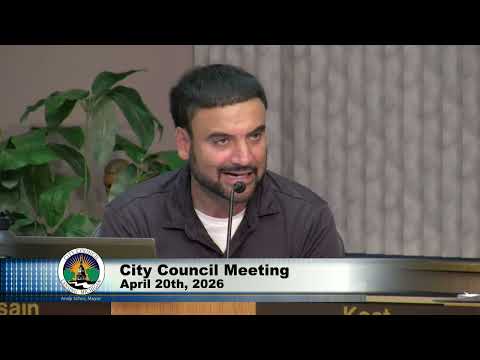
Supporters said the changes are meant to stop the overconcentration of outlets selling alcohol, tobacco and vaping products in neighborhoods that have shouldered a disproportionate share of those uses. “For the first time what we're looking to do is define a liquor store in our zoning code as a retail establishment where more than 50% of gross sales come from tobacco, nicotine, vapor products or alcohol,” Council member Hussein said during the second reading before council adoption.
The ordinance amends several sections of the zoning code: it adds a formal definition, inserts a proximity limitation measured from property line to property line, and lists liquor stores among allowable uses in commercial mixed-use and special-district tables. Sponsors and the administration said the measure is intended to preserve neighborhood quality while allowing legitimate retail activity to continue.
The measure was reported from the public safety committee and went through second reading at city council; the clerk called the roll and the ordinances passed with all seven members voting yes. Council members cited years of committee work and outreach in support of the change.
What happens next: the zoning amendments take effect according to the ordinance schedule in the city code; staff and the planning department will implement the separation measurement and enforcement processes.
Authorities: the ordinances amend the Lansing Codified Ordinances (zoning chapters 1240–1250) as read into the record and reported from the Committee on Public Safety.
Provenance: This article is based on council debate and the recorded roll-call votes during the second reading and passage of items 27–30 in the city council meeting.