Get Full Government Meeting Transcripts, Videos, & Alerts Forever!
Get email alerts on the Environment topic
No spam. Unsubscribe anytime.
Neighbors push back on No Name Pond buffer rewrite; council tables ordinance for more review
Summary
Planning staff proposed clarifying buffer language so engineered stormwater features are not treated the same as natural streams. Neighbors said the change weakens long‑standing protections; after hours of testimony the council voted unanimously to table the amendment until May 19 for more study and outreach.
Lewiston planners sought a technical change to the No Name Pond Conservation Overlay to exempt engineered stormwater conveyance (road ditches, swales, retention basins) from the same no‑disturbance buffer that applies to natural streams. Staff said the intent is to allow necessary maintenance (dredging and sediment removal) while preserving the 50‑ft buffer for natural streams.
Residents and watershed advocates strongly disagreed. Diane Chasse, who lives near the Waters Edge subdivision, described chronic standing water around her property and said she feared any reduction in upstream buffer protection would worsen flooding and erosion on her land.
Dan Bernier, speaking as a neighborhood advocate, urged the council to “vote no” and keep the ordinance exactly as written, saying the overlay has worked for more than 25 years and there was no evidence presented at the Planning Board that the ordinance had failed. Bernier warned that weakening the watershed‑wide rule for a single permit would set a precedent that could erode protections elsewhere.
Planning Director Connor said staff met with neighbors and believe the proposed change is a clarification that enables maintenance of engineered systems designed to filter runoff before it reaches No Name Pond, not a rollback of natural‑stream protections.
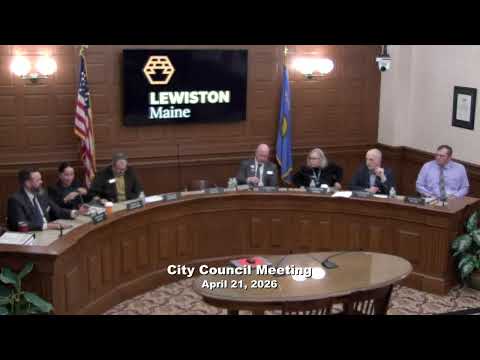
After public testimony and council discussion, members moved to table the item and gather additional material; the vote to table passed unanimously with direction for Planning to return to the council on May 19 with supplemental information and to meet with neighbors beforehand.
Ending: The council’s postponement gives staff time to respond to residents’ technical questions and provide maps and supporting analysis before the next public hearing.