Get Full Government Meeting Transcripts, Videos, & Alerts Forever!
Get email alerts on the Homelessness topic
No spam. Unsubscribe anytime.
Residents urge year‑round shelter; council asks county for point‑in‑time data and funding records
Summary
Public commenters urged the council to support year‑round sheltering and affordable housing; the council directed staff to request 2025 point‑in‑time data and records of county funding disbursements for local shelters and related programs.
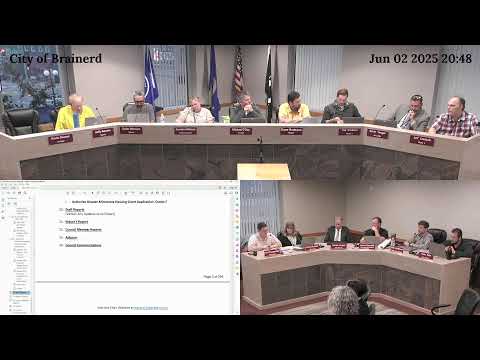
At the Brainerd City Council’s June 2 public forum, residents pressed the council on homelessness policy and shelter operations, and the council voted to request detailed homelessness and funding information from Crowing County.
Marcia Ferris, who identified herself as a volunteer with a church group at the bridge on South 7th, described interviews with shelter guests and urged the council to support sheltering and long-term affordable housing solutions. Ferris said media coverage had portrayed Brainard unfavorably and argued that year-round shelter access and more affordable housing would better serve people experiencing homelessness.
Following public comment, Councilmember Chzach introduced a drafted request to Crowing County seeking (1) the 2025 point‑in‑time (PIT) homelessness survey data (and comparable data from surrounding counties if available); (2) records of dispersals to Bridges of Hope or Bridges on 7th and any businesses or facilities providing shelter in Brainerd; (3) data associated with DHS or other grant funding used to aid homelessness in the city; and (4) county board minutes approving any such dispersals. Connie read the draft request aloud to the council and the motion to send it to the county passed on a voice vote.
Why it matters: The PIT survey and county funding records will give the council and residents factual context about the scale of homelessness locally and how state or county grant dollars have been allocated. Councilmembers stressed the importance of seeing the underlying data before making or revising local policy decisions.
What happens next: Staff will send the request to Crowing County and report back to the council with any information the county provides. The council added this item to the agenda as 9J and asked staff to attempt to return the county’s response for discussion at an upcoming meeting.