Get Full Government Meeting Transcripts, Videos, & Alerts Forever!
Get email alerts on the Open Government topic
No spam. Unsubscribe anytime.
Merced council approves technology upgrades and presses for clearer rules after SB77 briefing
Summary
After a detailed briefing on SB77 teleconferencing changes to the Brown Act, Merced council approved a package of audiovisual and public‑comment technology to meet new remote‑participation requirements while asking city attorneys and staff to continue refining notice and disruption rules.
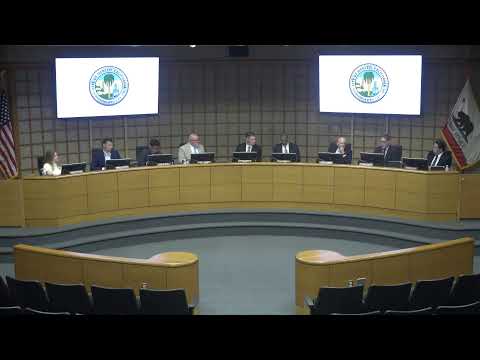
The Merced City Council on April 20 authorized purchases to bring the council chambers and town‑hall technology into compliance with SB77 teleconferencing rules, after a lengthy presentation from the city attorney’s office and information‑technology staff.
The action follows a comprehensive explanation from Deputy City Attorney Rhonda Lucas of new state requirements that expand teleconferencing tracks—traditional teleconference, reasonable accommodation for disability, just cause, emergency/local emergency, and eligible subsidiary bodies—and impose new disclosures and a strict tech‑failure rule. Lucas warned, “If the service error or difficulty is not fixed within an hour, the meeting is over.” She said failing to stop or reschedule a meeting after an unresolved public‑feed disruption could void actions taken during that meeting.
Staff presented a prioritized list of required and optional systems to meet the statutory minimums: remote registration and queue management to let callers sign up and be merged into meetings, off‑site equipment for town halls, a monitoring system to detect and report feed disruption, and optional upgrades such as an asynchronous public‑comment portal, a new video production/streaming system, agenda display tools and a remote countdown timer. IT staff said the complete package would cost roughly $123,000, funded from PEG and internal support services funds; the recurring cost is modest. Council voted unanimously to approve the required systems and most optional items, postponing a separate request to enable third‑party use of the council‑chambers streaming system.
Advocates in the audience urged the council to preserve at least three minutes per public commenter and to provide interpretation services for Spanish and Hmong speakers; staff said Spanish interpretation is required under SB77 and the city currently provides both Spanish and Hmong in‑person interpretation and will work to enable remote interpretation where feasible.
What’s next: staff will complete purchases, begin rollout and training, and return with operational procedures for clerk and IT staff. The council directed ongoing outreach to ensure the remote‑comment and queuing systems work for residents who lack broadband or who need language support.