Get Full Government Meeting Transcripts, Videos, & Alerts Forever!
Get email alerts on the County Finance topic
No spam. Unsubscribe anytime.
Albany County controller says county in strong fiscal position despite 2025 fund‑balance dip
Summary
Controller Susan Rizzo told the Albany County Legislature that the county reduced long‑term debt and cut interest costs but saw a one‑year dip in unassigned fund balance after using cash for capital projects; she highlighted reserves and flagged risks from state and federal funding uncertainty.
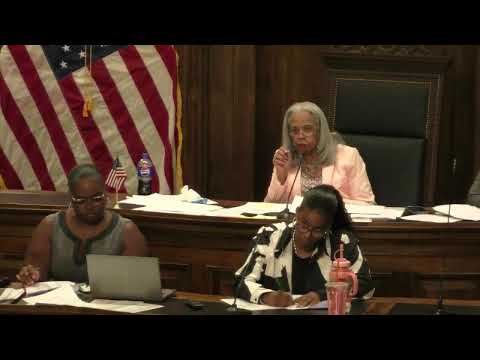
Susan Rizzo, Albany County controller, told the Legislature on May 11 that the county entered 2026 with lower long‑term debt and stronger borrowing power but saw its first drop in unassigned fund balance in five years.
Rizzo said the county reduced long‑term debt from “over $300,000,000” to about $196,000,000 and that lower debt has cut annual interest payments by approximately $7,000,000. She credited rigorous debt management and said the county received credit‑rating upgrades, citing S&P and what the transcript transcribes as “Leeds.”
Rizzo said the county’s total fund balance remains large—more than $205,000,000—and that roughly 61% (about $125,000,000) was in unassigned reserves. She noted that the unassigned balance rose from about $34,500,000 in 2020 to more than $143,000,000 in 2024, then declined in 2025. She attributed the decline to strategic cash‑funded capital: $9,700,000 in capital projects paid with cash and investments in local property projects (the presentation cites $6,000,000 for Saint Rose property). The transcript also includes an apparent outlier figure for a Pine Hills Land Authority investment; that stated amount in the record appears inconsistent and is marked as not specified here pending verification.
Rizzo gave other figures: 477 county vacancies in 2025 that she said added about $17,500,000 to the fund balance; about $3,000,000 more interest income than budgeted for the year but a year‑over‑year decline of $4,400,000 tied to lower market rates and ARPA spend‑down; and roughly $9,500,000 in ARPA funds remaining. She also said Shaker Place operated without county subsidy for the second consecutive year and reported roughly $7,800,000 in private‑pay revenue tied to senior care days.
In questions after the presentation, legislators pressed Rizzo on how the administration defines and reports fund‑balance components, the timing and size of projected 2026 figures, and the county’s exposure to possible state and federal funding cuts. Rizzo said the county is better positioned to absorb shocks because of its debt reduction and reserves and that management and budget staff will continue monitoring revenues and encumbrances.
Rizzo closed by noting several ongoing administrative audits (time and attendance, audits of the coroner/medical examiner functions) and other operational work the controller’s office is pursuing.
The presentation and subsequent Q&A were followed by a short recess. The Legislature then proceeded with the public forum and its regular agenda.