Get Full Government Meeting Transcripts, Videos, & Alerts Forever!
Get email alerts on the Land Use topic
No spam. Unsubscribe anytime.
Commission debate on proposed data-center zoning pits technology growth against resource and neighborhood concerns
Summary
Commissioners debated a Fox-sponsored resolution asking planning to craft zoning for large data centers, with back-and-forth about a 10-megawatt threshold, state law, energy and water impacts, and whether technology will soon make such rules obsolete.
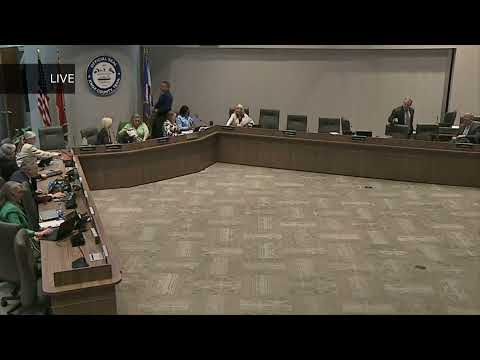
A proposed resolution to refer data-center zoning rules to the planning commission prompted extended debate at the Knox County agenda-review meeting on May 11.
Commissioner Fox said the resolution would target large, resource-intensive data centers and suggested the county focus on a capacity threshold to distinguish ordinary IT facilities from "hyper-scale" centers. "I wanted to draw a line between what is reasonable data storage capacity... and one that's being used at the hyper scale," Fox said, proposing 10 megawatts as a floor for when special rules should apply.
Opponents urged caution. Commissioner Jay argued that technology evolves rapidly, warning lawmakers not to "spend a massive amount of time" on rules that might be obsolete soon. "By the time you pass it, it will likely be obsolete," Jay said, urging use of existing zoning powers instead. Several commissioners and the law director noted a state bill signed May 7 that defines a data center as a facility with a peak electric demand of 50 megawatts or more and that exempts certain telecom providers; commissioners agreed state law and local authority intersect and must be considered.
Supporters of the resolution stressed local impacts tied to large power and water use, noise and community effects. "This is protecting Knox County residents from a decline in quality of life and unnecessary increases in the cost of resources," Commissioner Fox said. Others asked staff for a focused referral to planning so that commissioners could later review a recommendation and tailor regulations that protect neighbors while allowing local infrastructure needs.
The commission did not adopt a final ordinance at the meeting; the proposal was framed as a referral question for planning and drew requests to compare local rules with the new state statute before moving forward. Commissioners asked that any planning review explicitly address: energy and water use thresholds, noise and buffering, exemptions for telecom infrastructure, and enforcement mechanisms to prevent regulatory avoidance via creative corporate structuring.
The debate highlighted a common local-government dilemma: how to balance economic opportunity from emerging industries with the practical constraints of local infrastructure and neighborhood well-being. Several commissioners said they want planning staff to return with options that reflect the new state law and provide specific, enforceable protections for residents.