Get Full Government Meeting Transcripts, Videos, & Alerts Forever!
Get email alerts on the Film Tax Credit topic
No spam. Unsubscribe anytime.
Lawmakers weigh expanding Minnesota film credit to include TV, lower thresholds and raise rates
Summary
Senate File 4634 would broaden Minnesota's film production tax credit to include television, lower the in‑state spending floor (to $400,000), raise the base credit from 25% to 40% and add a 5% incentive for Minnesota‑focused hiring, with supporters arguing the changes would help smaller productions and local workers.
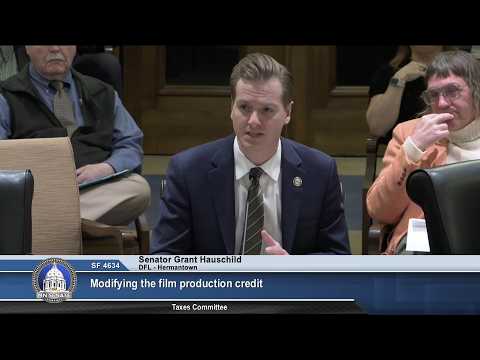
Senator Hauschild described Senate File 4634 as an update to Minnesota’s film production tax credit designed to reflect the modern production landscape and to help the state compete for film and television projects. Key changes include expanding eligible positions and project types (adding television), lowering the minimum in‑state spend from $1 million to $400,000, increasing the base credit from 25% to 40%, and adding an additional 5% incentive for projects that hire Minnesota residents in key creative roles or film outside the seven‑county metro area.
"Minnesota's film incentive program isn't working," Sherri Marsh, executive director of the Minnesota Film Alliance, told the committee, urging changes to lower barriers for regional productions. Industry witnesses and labor representatives argued the credit supports family‑sustaining union jobs and local small businesses and that neighboring states’ lower thresholds and higher incentives have made Minnesota less competitive.
Fiscal staff warned that expanding eligibility and increasing rates would raise costs relative to current law; the program is capped at about $24.95 million under current statutes, and staff said recent forecasts have approached that cap. Sponsors said the changes aim to use available authorization more fully rather than create an open appropriation and emphasized the job and local‑economic benefits of broader access.
Committee members expressed general support while noting the need to monitor fiscal exposure and ensure outcomes that benefit Minnesota workers and communities.