Get Full Government Meeting Transcripts, Videos, & Alerts Forever!
Get email alerts on the Parks And Recreation topic
No spam. Unsubscribe anytime.
Morris City council sets work session after debate over East Side Park preservation ordinance
Summary
Residents and council members debated a citizen-drafted ordinance to preserve East Side Park—centering on a 95% green-space metric, enforcement by five residents and potential limits on future accessible playground materials—after which the council scheduled a June 2 work session; a mayoral motion to amend language to permit future handicapped-accessible equipment drew no second and failed.
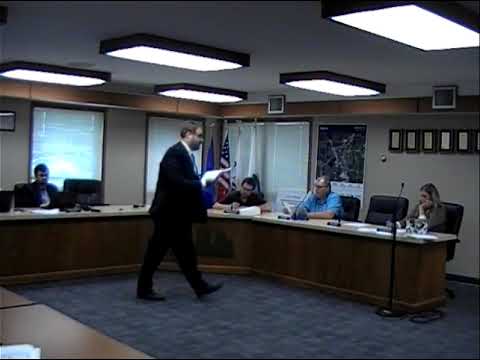
Morris City officials and residents spent the bulk of a regular council meeting debating a citizen-drafted “Preservation of East Side Park” ordinance that would define green space, limit certain materials and create a citizen enforcement mechanism, then agreed to a work session to continue negotiations.
The discussion followed public comments from residents who drafted and supported the measure and from neighbors urging the council to delay any special election. Jim Morrison, who said he drafted the proposed ordinance, described its five sections and told the council a key enforcement feature requires five Morris residents to seek declaratory or injunctive relief but prevents money damages: “What someone can't do under this ordinance is ask for money damages,” Morrison said, arguing the ordinance also includes a grandfather clause and a specific green-space metric that leaves about 3,521 square feet available for non-green uses.
Why it matters: the measure would change how the city manages park improvements by setting a measurable green-space threshold (presented to the council as 95 percent) and a formal enforcement path; opponents worry it could constrain future park projects, including installations needed to make playgrounds accessible for children with disabilities. The debate also turned on cost: opponents and some council members noted a cited special-election estimate of roughly $10,000 and asked whether the city should draw on reserves to pay for it while state Local Government Aid (LGA) reductions remain possible.
Council action and next steps
Mayor Waller proposed an amendment to remove parts of the ordinance that council members said might bar future accessible playground upgrades, arguing the language “essentially would restrict our ability to address” needs for handicapped-accessible equipment. Waller moved to approve the ordinance with the specified language removed, but the motion did not receive a second and therefore failed for lack of a second.
After extended discussion of possible compromises—ranging from removing the 95 percent metric to requiring two listening sessions before a major change—the council voted to hold a work session on Monday, June 2, at 6:30 p.m. to review competing drafts and try to reach common ground before the June 10 deadline for formal action; council members noted that if substantive amendments are to be made they generally must be posted with required notice in time to meet statutory and charter deadlines.
Public comments and neighborhood proposals
Speakers who backed preservation said the ordinance’s measurable standard and enforcement clause were intended to protect existing park character and ensure a public remedy if major changes are proposed. Annette Watson, who identified herself as representing signatories to the preservation document, said she supports the original ordinance but was open to negotiation: “I support the original ordinance, but I am willing to talk,” she told the council and handed members an alternative draft that would create a two-month cooling period for large projects and replace citizen-initiated court enforcement with repeal by special election.
Other residents suggested timing any voter referendum to coincide with a regular election to avoid the special-election cost. One speaker, who identified himself as Joe (203 E. 8th St.), urged the council to consider pushing any vote to Aug. 12 or Nov. 4, calling that an opportunity to save taxpayers money.
Points of clarification from staff and city attorney
City staff and the city attorney clarified several technical points raised during the discussion: the 95 percent figure as presented would leave roughly 3,521 square feet for non-green improvements; materials such as rubber surfacing or wood chips were discussed as common playground surfacing options and, depending on how the ordinance is drafted, could be treated differently under the green-space definition. The city attorney advised that much of the proposed language is negotiable, and that the proposed “safety valve”—a requirement for public listening sessions before major changes—was designed to improve communication and reduce later legal disputes.
Votes and routine business
During the meeting the council also approved the May 13 regular and condensed minutes, accepted the consent agenda and approved a $400 donation from the WCI Riverview Fund for the city’s music-in-the-park program; those items passed by voice vote. The mayor’s amendment to strip language restricting accessible equipment received no second and therefore failed; the only formal scheduling outcome on the preservation discussion was passage of a motion to hold a work session June 2 at 6:30 p.m.
What to watch
Council members and residents asked staff to prepare competing draft language for the June 2 work session and to clarify fiscal impacts of a special election. The council identified accessibility for children with disabilities, the precise definition of “major change,” and the mechanics of enforcement as the primary unresolved questions that will shape any final vote or proposed referendum.