Get Full Government Meeting Transcripts, Videos, & Alerts Forever!
Get email alerts on the Climate Resilience Agriculture topic
No spam. Unsubscribe anytime.
California Department of Food and Agriculture releases Climate Resilience Strategy for Agriculture
Summary
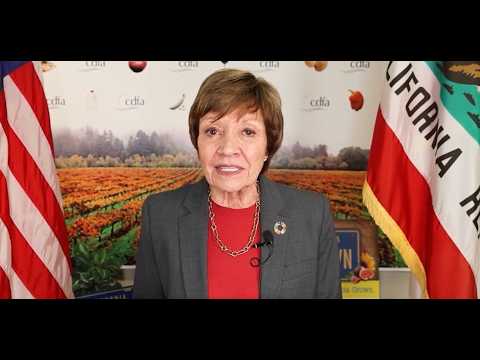
Karen Ross, Secretary of the California Department of Food and Agriculture, announced the release of the California Climate Resilience Strategy for Agriculture, an action-oriented framework organized around three pillars and four goals to help growers adapt to climate change and support rural economies. The transcript did not specify a release date.
Karen Ross, Secretary of the California Department of Food and Agriculture, announced the release of the California Climate Resilience Strategy for Agriculture, calling it “a forward-looking document, action-oriented, to really focus on those best practices that we want to make sure are available to every California farmer and rancher.”
The transcript did not specify a release date. Ross said the strategy both celebrates agriculture’s role in supplying Californians with “healthy, California-grown, fresh, and enjoyable food” and confronts the sector’s challenges. “Changing climate is at the top of the list,” she said, alongside economic pressures and supply-chain disruptions.
Ross described the strategy’s four main goals as focusing on “improving farmers’ bottom lines, reducing greenhouse gas emissions, supporting economic development, and providing health and environmental benefits across our state and nation.” She said the document is organized around three key pillars, each with objectives, strategies, actions, and case studies intended to guide implementation.
According to Ross, Pillar One aims to support a “thriving and resilient food sector,” covering the economy, water, workforce, animal health and energy needs of operations across the state. Pillar Two focuses on protecting natural systems critical to agriculture, including land-use measures to bolster biodiversity and manage pest pressures. Pillar Three encourages adoption of agricultural practices that improve air quality, soil health and the sustainability of ranching and dairy operations.
Ross also highlighted a set of equity principles intended to help the Department and partner agencies embed equity and inclusion in planning, programs, policy development and implementation to protect vulnerable communities and ensure broader access to resources.
She closed by inviting stakeholders to review the full strategy on the Department’s website. The announcement did not include details on timelines, funding, or specific program rollouts in the transcript; those elements are not specified here and would require follow-up with CDFA.