Get Full Government Meeting Transcripts, Videos, & Alerts Forever!
Get email alerts on the Watershed Resilience topic
No spam. Unsubscribe anytime.
Riverlink director urges buyouts, riparian buffers and regional coordination after storm
Summary
Riverlink Executive Director Lisa Ry told the Woodfin Town Council that recent storms exposed the region's flood vulnerability and urged voluntary buyouts, riparian restoration and coordinated use of federal/state recovery funds to reduce future losses.
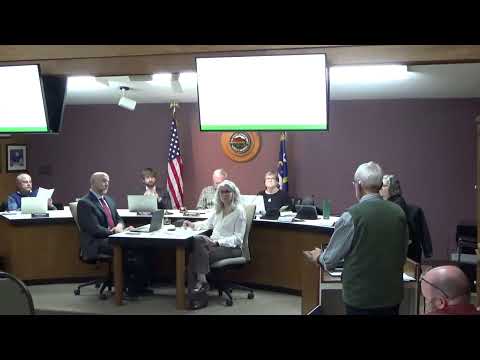
Lisa Ry, executive director of the nonprofit Riverlink, told the Woodfin Town Council on Dec. 17 that the recent storms exposed both the ecological and economic vulnerability of the French Broad watershed and created a once-in-a-generation opportunity to reduce future risk.
Ry said the river is a major economic engine for the region and reminded the council that studies show substantial annual economic activity tied to the watershed. She warned that warming oceans and stacked storm systems will continue to drive larger, wetter events and said communities must both invest in mitigation and accept that some areas will be repeatedly inundated.
"We have to learn how to dance with this watershed," Ry said, urging the town and regional partners to prioritize investments that reduce exposure and increase natural resilience. She recommended voluntary buyouts and targeted land acquisition along river corridors as a way to move high-risk properties into passive, low-maintenance green space while protecting people and commerce.
Ry also pressed for stronger riparian buffers. She described a healthy "repairing zone" as a multistory, woody buffer that stabilizes banks, slows flows and reduces erosion. "If the trees aren't there the banks are cliffed out," Ry said, arguing that future greenway and park designs should favor bank resilience over unobstructed riverside views.
On recovery funding, Ry noted the influx of federal, state and philanthropic resources following a federal disaster declaration but cautioned that converting studies and recommendations into implemented projects will require sustained coordination among local governments, state agencies and nonprofits.
Ry urged equity in recovery decisions, saying communities must ensure buyouts and mitigation measures do not leave the most vulnerable behind. She closed by encouraging Woodfin to use its upcoming retreat to apply a resilience lens to project prioritization and to seize the current funding and political opportunity to reduce long-term risk.
The presentation concluded with Ry offering a link to her slide materials and volunteering Riverlink's help in outreach and technical support.