Get Full Government Meeting Transcripts, Videos, & Alerts Forever!
Get email alerts on the Yale Agreement topic
No spam. Unsubscribe anytime.
New Haven negotiator outlines $239.5 million, seven-year voluntary payment deal with Yale; no vote tonight
Summary
City negotiator Henry Fernandez told the Finance Committee the updated seven-year voluntary agreement with Yale would yield about $239.5 million over seven years (about $35.6M/year), including a one-time $8M timing payment and protections for property tax revenue; committee members and residents urged stronger, longer-term commitments. (No committee vote was taken at the meeting.)
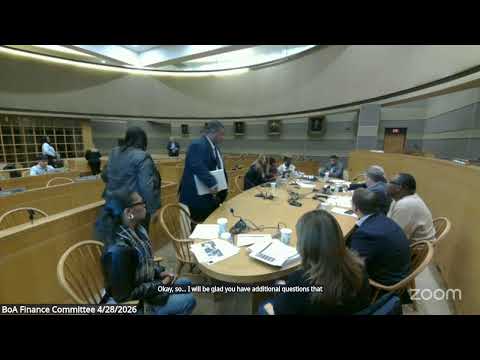
Henry Fernandez, the city's negotiator, presented an updated seven-year voluntary payment agreement between New Haven and Yale University to the Finance Committee on April 29, outlining projected payments the city says would total roughly $239.5 million over seven years.
Fernandez told the committee the package consolidates prior, separate commitments into a single non-fire-services line, adds a 2.5% annual escalator on that consolidated non-fire commitment for the first five years, and includes a one-time $8 million timing payment intended to correct an earlier fiscal-year timing mismatch. Fernandez said the deal assumes Yale's long-standing fire services contribution will grow about 4% a year and estimated that new voluntary property payments would total about $16.8 million over the seven years, in addition to an estimated $190.6 million in new voluntary cash contributions and roughly $34 million in fire-services payments.
"Over the seven years of this agreement, the city of New Haven is projected to receive approximately $239.5 million," Fernandez said, adding that the average annual yield would be about $35.6 million — "more than 22 and a half million every year than where we started in 2021." He described the agreement as offering predictability for city budgeting while preserving the Board of Alders' and the mayor's authority to set spending priorities.
Committee members pressed Fernandez on the assumptions behind those projections, asking whether the escalator should extend beyond five years, how the deal accounts for Yale's real-estate acquisitions and conversions that remove properties from the tax rolls, and whether payments are indexed to inflation or otherwise tied to local cost drivers. Fernandez said the property-tax provision delays the fiscal impact of conversions by paying the equivalent of full property tax for the first three years after conversion, then phasing down the payment over subsequent years; he characterized the package as a negotiated compromise that leaves room for future negotiation.
During the presentation Fernandez also highlighted community-focused, non-cash commitments — such as the Yale Teaching Fellowship and partnerships on food security and inclusive growth — and said the agreement deliberately treated cash contributions separately from such in-kind programs. "The cash contribution stands on its own," he said, while acknowledging the importance of complementary community programs.
Public testimony that followed the presentation included both support for and criticism of the agreement. Several residents and advocacy groups said the proposed payments fall short of what Yale could contribute given its endowment and the city's needs; others urged that cash contributions be paired with stronger commitments on housing and workforce development. One public speaker accused Yale of donating to an outside organization whose conduct she described as complicit in violence abroad; no representative from Yale responded on the record during the Finance Committee meeting.
The committee did not vote on the agreement at the meeting. A motion to close the public portion passed by voice vote after the testimony; the chair said the board would deliberate and vote in a future session.
The next procedural step announced by the committee is continued review and deliberation at future Finance Committee meetings before any formal adoption or recommendation is recorded.