Get Full Government Meeting Transcripts, Videos, & Alerts Forever!
Get email alerts on the Scenic Corridor topic
No spam. Unsubscribe anytime.
Scenic Walton urges stricter design and signage rules for Highway 98, 331 and 30A
Summary
Scenic Walton and several commissioners pressed planning staff to apply stricter design standards and signage rules to Highway 98 and Scenic Gulf Drive, suggesting a mix of interim fixes (limit window signage and outdoor merchandise displays) while pursuing a longer corridor rewrite.
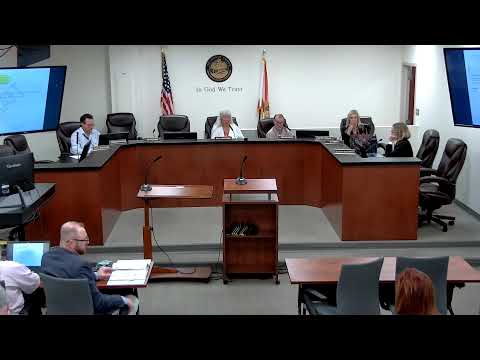
Representatives of Scenic Walton urged the planning commission to expand and strengthen scenic‑corridor design standards during the workshop, proposing stop‑gap measures for areas where current code lacks enforceable design restrictions.
Lee Moore, speaking for Scenic Walton, recommended immediate prohibitions on outdoor merchandise displays and restrictive limits or bans on window signage in corridor areas, saying those measures are enforceable and have been difficult to police. He also urged minimal color standards and improved lighting rules — measures he argued would preserve corridor character without blocking development. Moore noted the county’s existing design review process for Highway 98 has worked well and said many of the 98 standards could be adapted to 331 and portions of 30A as an initial step while a broader corridor rewrite is commissioned.
Why it matters: Highway corridors — particularly Highway 98 and Scenic Gulf Drive — contain a concentration of tourist‑serving commercial properties where signage, outdoor display, and lighting affect the travel experience, property values and community character. Scenic Walton and several commissioners said modest immediate changes could prevent visually discordant development while staff pursues a longer consultant‑led rewrite for corridor design standards.
Quotes: Lee Moore asked staff to consider “prohibiting the outdoor display of merchandise” and to disallow window signage, calling those changes both practical and enforceable. Planning staff said some corridor items would likely require further legal review for SB180 implications but indicated willingness to explore interim measures and a consultant study for comprehensive revision.
Next steps: Staff agreed to review corridor language and potential stop‑gap amendments and to schedule additional public workshops and consultations for corridor‑specific code updates.