Get Full Government Meeting Transcripts, Videos, & Alerts Forever!
Get email alerts on the Short Term Rentals topic
No spam. Unsubscribe anytime.
Residents and hosts urge council not to impose 30-day minimum or wide school buffer on short-term rentals
Summary
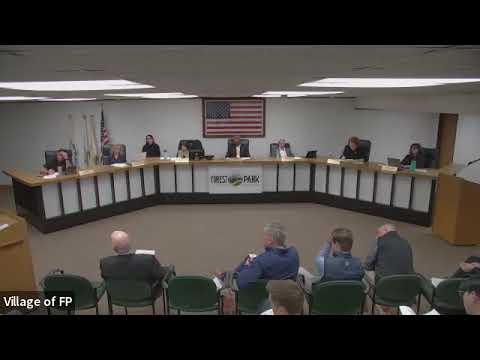
At the April 27 Forest Park council meeting dozens of residents and short-term rental hosts urged the council to reject a proposed 30-day minimum stay and a 500-foot school buffer, saying most hosts are responsible and that STRs bring customers to local businesses.
Scores of residents and several short-term rental hosts told the Forest Park Village Council on April 27 that broad restrictions on short-term rentals would harm local businesses and residents who rely on temporary housing.
David Hudson, an Airbnb host, said the typical guest spends in Forest Park and that the village has about 90 Airbnb listings. “Our average is about three day rentals,” he told the council, arguing a proposed 30‑day minimum would unduly penalize hosts and that “Forest Park is being asked to write a categorywide ordinance on the base of a single property.”
Why it matters: Council members are weighing zoning and regulatory changes that would directly affect dozens of listings and the village’s small business district. Multiple speakers said limiting short-term rentals could reduce foot traffic for restaurants and shops on Madison Street and eliminate flexible housing used during renovations, medical rotations or extended family visits.
Several hosts described vetting practices and property controls they use to avoid nuisance behavior. Jeff Ben Calvie said simple screening — checking guest reviews and turning down party-prone reservations — keeps most properties problem-free and urged the council to use nuisance enforcement tools rather than broad prohibitions. Jennifer Wolf, a host of more than a decade and 28‑year resident, cited local taxes and revenue, stating she has paid about $182,000 in property tax over 28 years and that Airbnb reported $40,544 in occupancy taxes (as read into the record).
Not all speakers opposed tighter rules. Samantha Baga asked the council to prohibit short-term rentals within 500 feet of schools and to require 30‑plus day assigned leases inside that buffer, arguing the change would protect neighborhood stability and follow safety perimeters used elsewhere.
Council action and next steps: No ordinance vote on short-term rentals occurred at the meeting. Council members and staff said they are continuing work on zoning amendments and enforcement options and will bring more information to future meetings. Public commenters were encouraged to stay engaged during the zoning and budget processes.
Ending: The council moved on to other agenda items after an extended public-comment period that included a large number of write-in letters read by the clerk, reflecting a community split between residents who depend on short-term housing and those pressing for stricter regulation.