Get Full Government Meeting Transcripts, Videos, & Alerts Forever!
Get email alerts on the Healthcare topic
No spam. Unsubscribe anytime.
Borderland Free Clinic tells Tualatin council it served more patients in 2025 and needs a provider hire as access tightens
Summary
Jordan, executive director of Borderland Free Clinic, updated council that the clinic served over 500 unique patients and provided about 1,300 appointments in 2025, completed a $1.5 million build‑out and is seeking its first paid provider while warning of wider access pressures from Medicaid redetermination and specialty‑care shortages.
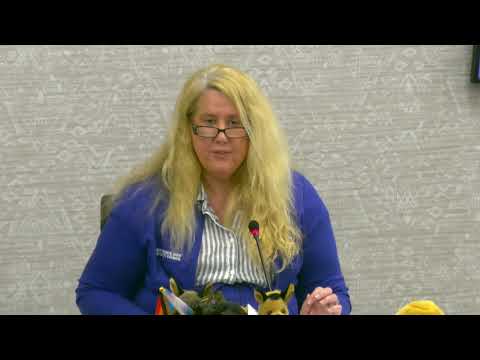
Jordan, executive director of Borderland Free Clinic, told the Tualatin City Council on April 27 that the clinic is expanding services but faces headwinds from statewide changes to coverage and specialty care access.
Jordan said the clinic, which operates only a small number of hours per week (12 hours noted), served more than 500 unique patients in 2025 and fulfilled roughly 1,300 appointments, most for uninsured residents. The clinic completed a roughly $1.5 million capital build‑out after the pandemic and estimates it provided about $300,000 in free medical care last year. About a third of the clinic’s patients come from Tualatin by zip‑code analysis, Jordan said.
The clinic is actively recruiting its first paid provider — historically most clinical staffing has been volunteer‑based — to increase capacity. Jordan outlined statewide pressures that threaten access: long primary‑care wait times (months), constrained specialty‑care referral pathways, cuts to programs that once arranged donated hospital care (e.g., Project Access), and changes tied to Medicaid redetermination and proposed work‑requirement rules that could reduce enrollment. Jordan cited tentative estimates that hundreds of thousands of Oregonians could be affected as eligibility and administrative burdens change.
Councilors thanked Jordan and expressed support; several asked how the city could help with recruiting and sustaining services. Jordan highlighted partnerships that sustain the clinic, naming Providence internal medicine residency program, LabCorp for in‑kind lab access, and local volunteer clinicians.
What happens next: Councilors said they would publicize the clinic’s hiring needs and noted the city’s recent grants to local health partners; Jordan and council agreed to stay in touch about possible city support and recruitment help.