Get Full Government Meeting Transcripts, Videos, & Alerts Forever!
Get email alerts on the Housing topic
No spam. Unsubscribe anytime.
Tualatin hears eviction‑prevention briefing as local assistance shrinks
Summary
Regional homelessness liaison Megan Cohen told council funding streams that support eviction prevention have been cut by about half, limiting rental assistance; the city can tighten outside‑agency grant priorities, expand outreach at the library and coordinate police referrals to shelter while staff returns requested dollar‑gap data.
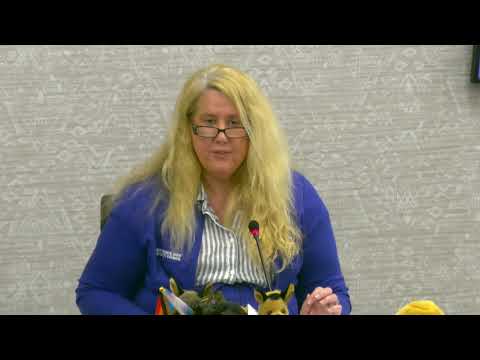
Megan Cohen, the homelessness liaison for Tualatin and nearby jurisdictions, briefed the council on April 27 about the current eviction‑prevention landscape and local options to respond.
Cohen told council that federal, state and county streams plus local philanthropic sources have declined — she estimated cuts near 50% across many providers — while demand has risen. That has left traditional rent‑assistance paths constrained: some programs now require clients to reach eviction court or be active community‑action clients before rent payments are authorized, removing earlier prevention touchpoints.
"We used to be able to intervene earlier; right now a lot of assistance only shows up at eviction court or through limited community action funds," Cohen said. She described two common provider strategies: (1) triage to cover non‑rent essentials (food, utilities) so rent dollars can be preserved, and (2) safety planning when housing loss appears likely.
Councilors pressed for concrete cost estimates and options. Specific local levers Cohen described included: - Redirecting or prioritizing the city’s outside‑agency grant allocations toward eviction prevention or partner organizations that provide rapid rent or motel support; - Expanding proactive outreach and referral at public facilities such as the library (staffed tabling by providers has connected residents to services while the library was closed for renovation); and - Continuing the utility‑bill assistance partnership run through community action.
Council President Pratt and Councilor Brooks asked staff to return with a short, concrete set of options (for example, what a $50,000 targeted grant would achieve) and to map which local providers could scale with additional funding. Cohen said she would compile a community needs summary and gap estimate to inform advocacy and potential city allocations.
Next steps: staff will provide the requested dollar‑gap analysis and options for how the city could prioritize outside‑agency funds or a dedicated eviction‑prevention allocation. Councilors also asked to be notified when county or state budget processes offer opportunities for joint advocacy.