Get Full Government Meeting Transcripts, Videos, & Alerts Forever!
Get email alerts on the School Discipline topic
No spam. Unsubscribe anytime.
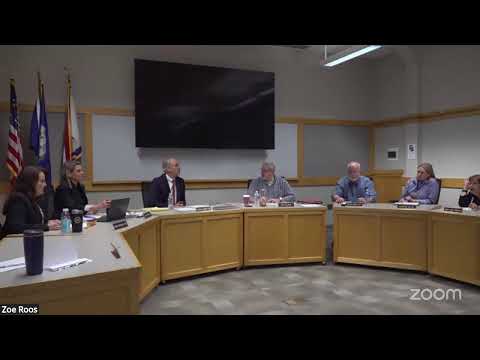
Madison board directs superintendent to craft bell‑to‑bell cell‑phone ban for 2026–27
Summary
The Madison School District board voted unanimously to direct the superintendent to develop and implement a bell‑to‑bell personal wireless device ban (preK–12) for 2026–27 and asked the policy committee to prepare enforcement policies; the board cited state action and local implementation concerns.
The Madison School District Board of Education on a unanimous vote instructed the superintendent and policy committee to prepare a district‑wide "bell‑to‑bell" ban on personal wireless communication devices to take effect in the 2026–27 school year.
The motion—moved by board member Kathy and seconded by Maryanne—directs the superintendent to "develop and implement in accordance with state law a bell‑to‑bell personal wireless communication device ban to be implemented preK to 12 for the 2026–2027 school year" and asks the policy committee to revise or create policies to enforce the ban. The motion passed 9–0.
Why it matters: Superintendent Dr. Cook told the board the Connecticut House recently approved a revised bill that would ban cell phones in schools and the measure is proceeding to the Senate; he said the state’s implementation date was moved to the 2027–28 school year but that passage now looks likely. Board members said they wanted Madison to act sooner than the state’s projected timetable to give administrators clear direction and support for enforcement.
Board discussion focused on implementation logistics and limited exemptions. Members said the district should plan for medically necessary exceptions and individualized education program (IEP) accommodations and should avoid imposing costly technological solutions. Several speakers pressed for a realistic, phased approach that preserves students’ ability to communicate in after‑school activities while reducing classroom distractions.
Dr. Cook described likely implementation steps: the policy committee would draft policy language, the administration would prepare implementing regulations for building‑level staff to follow, and the district would seek to align local regulations with any state rules or exemptions when they become available. "I do anticipate the Senate would pass it," Dr. Cook said when describing the bill’s progress in Hartford.
Next steps: The policy committee will draft enforcement language and the superintendent will present proposed regulations to the board for review before the start of the 2026–27 school year. The board did not adopt final disciplinary protocol at the meeting and said details on exemptions and on‑bus enforcement would be developed administratively and aligned with state guidance.