Get Full Government Meeting Transcripts, Videos, & Alerts Forever!
Get email alerts on the Governance topic
No spam. Unsubscribe anytime.
Consultant urges board to ‘stay in your lane’ during governance training
Summary
At a board work session on April 27, a governance consultant, Ashley Story, told the Newberry County Board of Trustees to focus on policy, vision and superintendent oversight, warned against directing staff, and reviewed FOIA and liability risks for individual members.
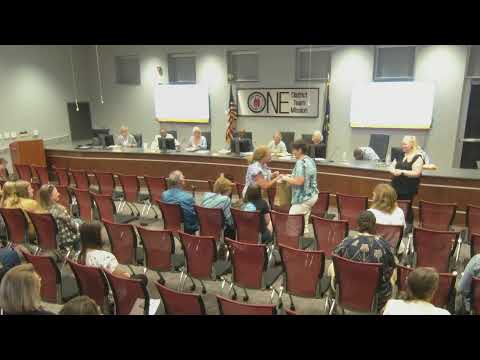
Ashley Story, the consultant who led the evening’s training, told the Newberry County Board of Trustees on April 27 that effective boards govern by setting vision, adopting policy and holding the superintendent accountable rather than directing day‑to‑day staff work. “You act as a group,” she said, urging members to avoid side conversations with employees and to funnel constituent concerns through Superintendent Dr. Anderson.
Story reviewed statutory duties she said are codified in South Carolina law starting at 15‑19‑90 and walked the board through common pitfalls that can expose members to liability, including directing staff, conducting independent investigations of job applicants and sending unguarded electronic messages that may be subject to FOIA. She cautioned that “if you operate outside of the four‑member box … you may not be covered under insurance.”
She advised practical steps for communication: use the superintendent as the operational channel, confirm constituent issues with administration, document training attendance and rely on established personnel and background‑check processes for hiring. Story also recommended routine policy reviews and said the board’s chair has no special operational authority beyond presiding over meetings.
The presentation was conversational and interactive; trustees described varied personal motivations for service and asked questions about board‑level oversight, FOIA exposure for personal emails and how to balance school visits with governance limits. The training concluded with an offer to provide the slide deck to the board’s administrative staff and to answer follow‑up questions.
The board later used the work session to transition into the regular meeting agenda, including executive session items and routine recognitions.