Get Full Government Meeting Transcripts, Videos, & Alerts Forever!
Get email alerts on the Bell Times topic
No spam. Unsubscribe anytime.
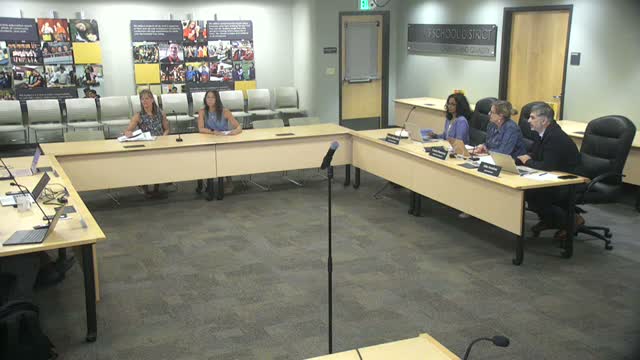
Camas board hears staff data on later high-school start times and student absences from late-day activities
Summary
Teachers and staff presented school data and a student survey showing many students miss fifth and sixth periods for extracurriculars; the board asked staff to gather more transportation and per-sport impact data and to involve advisory committees before making policy changes.
Camas School District staff and teachers briefed the board on the effects of later high-school start times, presenting attendance pulls and a student survey that showed many students miss classes late in the day for district-sponsored activities. Teachers said the shift to later starts in 2018–19 had intended benefits tied to adolescent sleep, but staff and teachers also reported unintended outcomes: increased student absences in fifth and sixth periods, time spent making up missed work, and student anxiety about falling behind.
Meredith Stutter (S10), a CTE culinary teacher, told the board, “on any given day, we can see a large group of students missing at the end of the school day,” and said the district still sees substantial late-day absences despite the later start. Christy Straw (S11) summarized a district survey of more than 1,000 students: about 69.1% reported participation in extracurricular activities, and many students said missing class for district events affects grades and requires significant make-up time; a portion of respondents reported high levels of anxiety because of missed instructional time.
Board members and Steven (S13), a league/athletics representative, discussed cross-district constraints on athletic start times — daylight, lack of lights at some venues, transportation windows and negotiated coach contracts — that limit how far local schedules can be shifted and complicate solutions that affect only a single district. Several board members noted possible mitigations short of a system-wide schedule change: more coordination between coaches and teachers, targeted period-scheduling adjustments by sport, expanded SST supports, and improving bus routing efficiency.
Board members asked staff for more detailed follow-up: transportation-cost estimates to alter bus windows; disaggregated attendance and academic-impact data (including GPAs, D/F rates, and chronic-absence correlations by period and by sport); and consultations with the district advisory committees (CAC, SAC) and the student advisory group. At the meeting’s close, members agreed to return the item to committee and to present refined analysis and community-engagement plans at a future planning session.