Get Full Government Meeting Transcripts, Videos, & Alerts Forever!
Get email alerts on the Information Policy topic
No spam. Unsubscribe anytime.
Historian warns U.S. cuts to Radio Free Europe and Voice of America weaken reach into Russia
Summary
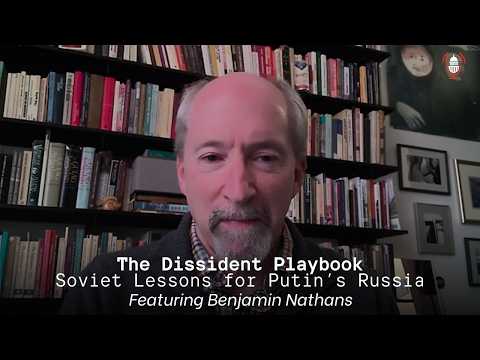
Benjamin Nathans told the Helsinki Commission podcast that cuts to U.S.-funded broadcasters reduce the channels that historically carried dissident messages back into closed societies and described the cuts as "catastrophically" harmful to U.S. public diplomacy.
On The Transatlantic podcast produced by the Commission on Security and Cooperation in Europe, Benjamin Nathans said cuts to U.S.-funded international broadcasters undermine a key channel for conveying dissenting views into Russia.
"The slashing of funding to these broadcast services by the U.S. government, and in particular Radio Free Europe and Voice of America, is a catastrophically bad decision," Nathans said, arguing that alternative communication channels were critically important given Russian moves to control the domestic internet and restrict dissent.
Nathans described how, during the Cold War, shortwave broadcasts and smuggled samizdat material created a two‑way flow that amplified dissident voices inside the Soviet Union. He warned that modern tools—social platforms, VPNs—are more fragile inside a state that is expanding censorship and criminal penalties. In that environment, he said, external broadcasting can remain a vital lifeline.
The historian’s remarks were offered as scholarly counsel rather than a report of immediate policy action. No U.S. official response appears in the recorded conversation; the host and guest discussed implications for policymakers who must weigh credibility at home against communications reach abroad.
The episode ends with a call to pair principled domestic practice with strategic external engagement: to be persuasive overseas, Nathans said, the United States must also "walk the walk" at home.