Get Full Government Meeting Transcripts, Videos, & Alerts Forever!
Get email alerts on the School Budget topic
No spam. Unsubscribe anytime.
Watchung Hills holds public hearing on 2026–27 budget; officials outline tax impacts, reserves and referendum planning
Summary
Administrators presented the proposed 2026–27 Watchung Hills Regional High School District budget, citing a 3.9% tax-levy increase, reserve use and a planned tax-neutral referendum for capital work; the board approved routine agenda items and heard no budget public comments.
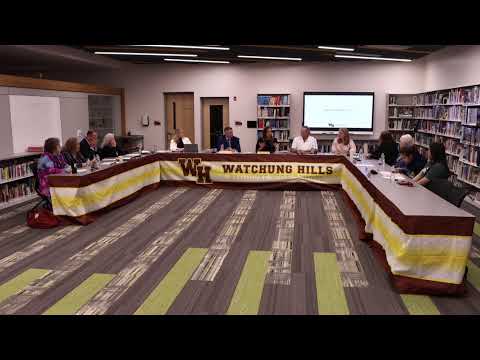
The Watchung Hills Regional High School District held its official public hearing on the proposed 2026–27 budget on April 28, where administrators described how reserves, state aid and a modest tax-levy increase would fund routine operations and capital needs.
Superintendent Dr. Jwitt opened the presentation, saying the hearing “is our official public hearing of the budget,” and walked the board through recurring and one-time priorities, including technology upgrades, new vehicles (a dump truck, pickup and equipment trailer), phone system work, a digital media lab renovation and a regional driveway-paving project.
Business administrator Mr. Schultz described funding sources and the revenue picture, saying the district will use capital reserve and maintenance reserve funds and draw $600,000 from a tuition reserve set aside in 2024–25. He reported an increase in state aid of $51,543 and said the tax levy rises by about 3.9% — “that’s our 2% allowable increase and then another 1.9 used for the healthcare waiver,” he said — and that operating revenues and operating expenditures are each projected to increase roughly 3.7%.
Administrators also identified a roughly 5% increase in salaries and benefits offset in part by a prescription-plan change and a 20% reduction in out‑of‑district special-education tuition costs that freed money for other budget items.
Officials presented comparative per-pupil figures (about $23,000 for the 2024–25 year) and said the district’s finance team is beginning planning for a tax‑neutral capital referendum to replace maturing bonds and fund infrastructure projects and some innovative learning spaces. “We are going to be looking to do a new referendum,” Dr. Jwitt said, adding that planners expect it to be tax neutral by rolling maturing debt into new bonds.
Administrators walked through how assessed-value changes in the three sending towns affect regional allocations and provided household-dollar examples for each township; they noted that in several towns assessed values rose enough that tax rates fell even while regional tax dollars per home increased slightly.
The board opened a budget-specific public-comment period and recorded no speakers. The meeting then proceeded to action items; grouped motions for several A, C and D agenda blocks were made and carried on roll call. Several board members noted the district’s emphasis on delivering programs while holding spending increases in check.
The board expects to continue planning for the referendum and said it will present details to township committees ahead of any public vote.