Get Full Government Meeting Transcripts, Videos, & Alerts Forever!
Get email alerts on the Blight Enforcement topic
No spam. Unsubscribe anytime.
Bridgeport details alternate-side street-sweeping plan and blight enforcement changes after resident complaints
Summary
Council members and city officials discussed a new curb-to-curb street-sweeping program using alternate-side parking (targeted late April start), tightened blight fines and a shortened enforcement timeline, while residents and councilmembers pressed for faster response and clearer communications.
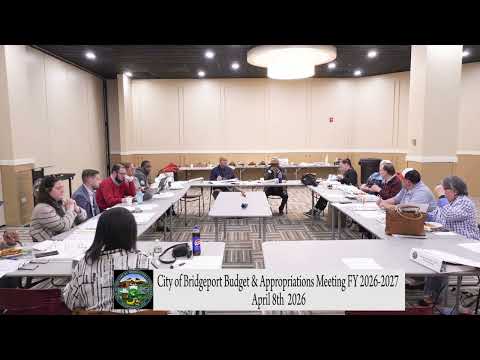
Bridgeport City officials told the budget committee they will roll out an alternate-side street-sweeping program on major thoroughfares and step up blight enforcement after councilmembers described frequent resident complaints about dumping, slow response times and unresponsive landlords.
Tom (CEO) said the administration plans an April rollout (administration cited April 20 as a systemwide start; some councilmembers referenced district-specific dates such as April 27) with advance signage, press releases and district coordination: "we're going to be posting it on social media...and we'll be contacting whichever district it is directly in partnership with the city council." Officials said towing will be used to enable cleaning, but noted that towing fees are paid to towing companies under state law and are not city revenue.
Council members, led by Maria and others, described casework showing long complaint timelines: an initial ticket can take up to 24 hours to register, then an inspector must visit before enforcement and possible emergency public-facilities cleanup. Maria said she will FOI complaint timelines and pressed whether landlords are being held to account for repeated dumping; the administration said the revised blight ordinance shortens notice to 10 days and increases fines (an initial weekly structure described in the hearing: earlier-stage fines leading up to $1,000 per day after day 31), but explained lien collections typically occur when property sells, so revenue can lag.
Public facilities staff and councilmembers argued the department lacks seasonal workforce and competitive pay; the administration said the proposed budget includes several added public-facilities positions (custodians, maintainers) and more seasonal funding to improve street cleaning and upkeep.
Several council members emphasized communications for the sweeping program beyond social media, urging printed flyers, radio outreach and district volunteer support to notify residents in advance. The administration said it will partner with council districts to post signs and distribute notices.
What happens next: district-level notification and signage are imminent; public-facilities and the council will track enforcement metrics and report back to the committee during departmental hearings.