Get Full Government Meeting Transcripts, Videos, & Alerts Forever!
Get email alerts on the Process Mapping topic
No spam. Unsubscribe anytime.
Board tasks member to draft public flow diagram mapping complaint-to-action process
Summary
The Miami Lakes Blasting Advisory Board voted to have member Edwin prepare a public flow diagram showing how resident blasting complaints move from filing through CFO reports and committee follow-up; the board also reviewed data access and marketing resources for outreach.
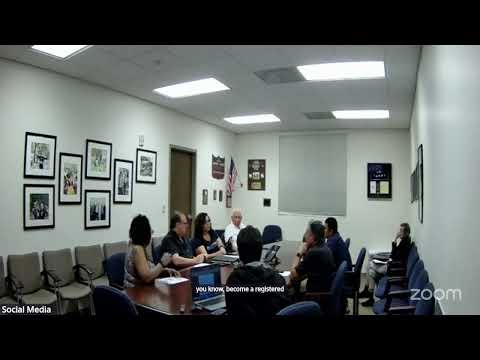
The Miami Lakes Blasting Advisory Board on April 27 voted to have committee member Edwin draft a public "flow diagram" that charts how a resident complaint about blasting moves through the system — from filing a complaint to CFO reporting, dashboard publication and committee follow-up or advocacy. The motion was seconded and passed by voice vote; members asked that the draft be submitted to the town clerk in advance of the next meeting.
Members said the diagram should make the process clear for new committee members and for residents who want to follow up after filing a complaint. The requested flow would include steps such as filing a complaint (including the town app), CFO data processing, dashboard publication and options for residents (attend meetings, join advocacy lists, provide photos and house-visit details).
Marketing resources and public-record issues were discussed in the same segment. The marketing lead noted that flyers, photos and all deliverables are stored in the committee resources and linked via QR codes on the website, and reminded members that "everything we discuss here is public record," advising care when sharing personal contact information in public meeting minutes.
The committee discussed data sources for a comprehensive view — state datasets, fire-marshall complaint records and historical archives maintained by local volunteers — and acknowledged that some state-provided data has been converted to PDF, making automated analysis harder. Members who have compiled data said they can provide guidance; the chair encouraged a practical, limited-scope diagram that shows how residents can engage and how complaints are tracked.
Next steps: Edwin will draft the diagram and submit it to the town clerk ahead of the next meeting so members can review and provide feedback.