Get Full Government Meeting Transcripts, Videos, & Alerts Forever!
Get email alerts on the Opioid Settlement topic
No spam. Unsubscribe anytime.
Morgan County accepts opioid‑settlement work group funding recommendations, approves grants
Summary
Morgan County commissioners voted 3–0 to accept the opioid settlement work group’s recommendations for 2026 grants, directing roughly $6 million in settlement funds to local prevention, treatment and navigation programs over coming years.
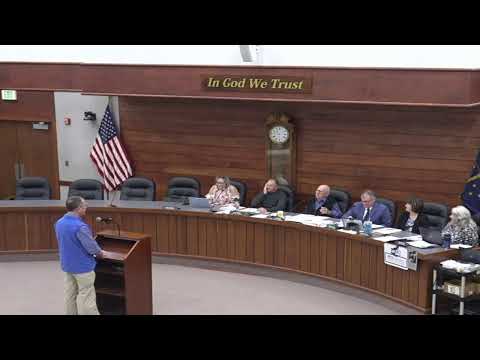
Morgan County commissioners on May 4 accepted recommendations from a county work group on how to allocate local opioid‑settlement funds, approving a slate of awards intended to expand treatment access, prevention services and peer navigation.
Kyle Walls, the county administrator, told the board the county and state have reached settlements with pharmaceutical companies after a spike in opioid‑related deaths; he said estimated payments to Morgan County total “just under $6 million through at least 2038.” Walls introduced representatives from the Kendrick Foundation, which helped convene the Morgan County Mental Health Task Force and the local work group.
“We met multiple times, reviewed applications and conducted interviews,” said Ali Meritt of the Kendrick Foundation, describing a 15‑member work group that used a community survey to prioritize expanding access to health services. The recommendations include continuing navigation and peer‑support programs for people in recovery, school‑based early‑intervention work and a Playworks program to increase active recess and support children’s social‑emotional health.
Meritt explained some settlement funds are restricted by the terms of national agreements and must be spent according to specified categories, while other local allocations have fewer constraints but still must follow a “spirit of substitution” (spending that replaces other funding streams rather than doubling services).
Commissioners discussed program eligibility and oversight and then voted to accept the work group’s funding recommendations for the 2026 grant year; the motion passed 3–0. The county will administer awards and follow reporting requirements tied to the settlement and state guidance.
Why it matters: The awards direct locally controlled settlement dollars toward prevention, treatment and community navigation at a time county officials say opioid‑related harms remain a significant public‑health issue. The work group emphasized community input and coordination among health, probation and law‑enforcement stakeholders.
Next steps: Staff will finalize award documents, begin grant agreements and continue monitoring reporting to ensure compliance with the settlement’s restricted and unrestricted funding rules.