Get Full Government Meeting Transcripts, Videos, & Alerts Forever!
Get email alerts on the Traffic Enforcement topic
No spam. Unsubscribe anytime.
Senate narrows automated speed-camera enforcement, adds public-notice and vendor limits
Summary
Senators amended and passed SB152 to tighten automated-speed-camera enforcement (warnings for 1–5 mph over), require signage and public outreach, and limit vendor revenue through flat-fee structures, aiming to reduce punitive revenue-driven enforcement.
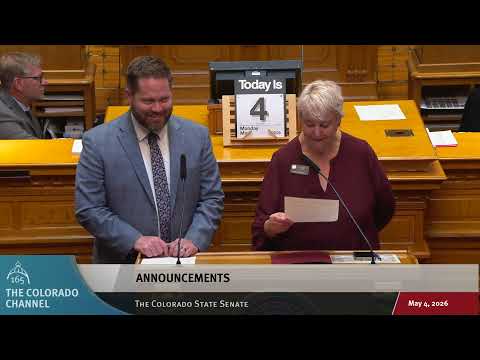
Senate Bill 152, considered May 4, changes how automated vehicle identification systems (AVIS) are used for speed enforcement and how local governments manage those programs.
Sponsor Senator Pelton described revisions adopted in committee and on the floor to clarify definitions and penalties. Key floor-adopted amendments: L7 clarified that AVIS refers to automated vehicle identification systems and distinguishes them from license-plate readers; L9 standardized signage requirements in coordination with CDOT; and L10 limited vendor contracts to flat fees or hourly rates rather than contingent, per-ticket revenue models. Senator Pelton explained one substantive change: "1 to 5 miles an hour is a warning only. No matter what, no fines, you're going to get a warning." (floor explanation).
The bill also increases transparency expectations for local governments using cameras—required signage, a social-media announcement if the jurisdiction uses social platforms, and clearer public notice about locations. Sponsors said they are trying to prevent profit-driven deployments in smaller municipalities.
Supporters framed the changes as consumer-protective and focused on safety rather than revenue; critics pressed whether the changes go far enough or whether enforcement thresholds remain appropriate. The Senate adopted SB152 after floor amendments.
What’s next: The bill will be enrolled and sent to the governor for signature. Local governments intending to use automated enforcement should review new signage, notice, and contracting requirements once the bill is final.