Get Full Government Meeting Transcripts, Videos, & Alerts Forever!
Get email alerts on the City Budget topic
No spam. Unsubscribe anytime.
Burbank unveils FY 2026–27 proposal: modest recurring gap, pension plan and capital spending prioritized
Summary
City staff presented a $1.0 billion citywide proposed budget for FY 2026–27, including a $282 million general fund. Officials cut the projected recurring shortfall to about $2.6 million and proposed a four‑year extra pension funding plan, one‑time investments, and capital projects while preserving core services.
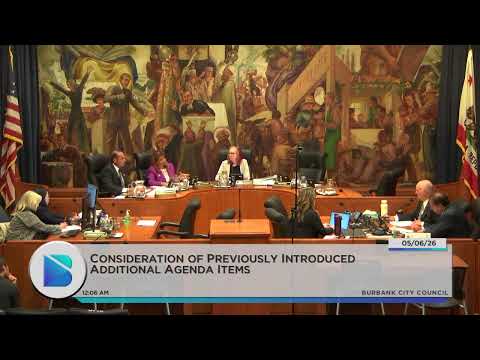
Burbank city staff presented the proposed fiscal year 2026–27 budget to the City Council on May 5, outlining a citywide spending plan of just over $1 billion and a general fund budget of roughly $282 million. The proposal trims a previously estimated recurring shortfall to about $2.6 million, or less than 1% of the general fund, while maintaining current service levels and fully funding formal reserves.
Finance Director Jennifer Becker told the council the budget reflects a cautious outlook driven by weaker sales tax receipts—largely in the auto category—offset by continued property tax growth and targeted revenue increases such as utility user tax adjustments. The plan includes limited recurring new items, a set of prioritized one‑time expenditures, and continued use of the city’s Section 115 trust to smooth pension costs.
Pension funding and liability: A central element of the proposal is a new four‑year pension funding strategy. The plan calls for $6 million per year in additional discretionary CalPERS payments, $4.4 million of which the general fund would cover in FY 2026–27; the city intends to use its Section 115 trust balance to make the general‑fund portion of those payments during the multi‑year program. Staff said the approach should generate recurring savings over time and help blunt projected increases in unfunded actuarial liabilities.
Revenue assumptions and pressures: The budget forecasts modest overall revenue growth (about 4.4% over the current year’s revised projection) but cautions that sales tax remains tepid—HDL consultants cited long‑term shifts from brick‑and‑mortar retail to online sales—and that inflation and higher fuel prices have pushed up costs. Property tax was projected to increase about 4% in 2026–27, partly driven by continuing development and reassessments.
Spending priorities and one‑time investments: The city proposes approximately $1.4 million in net new recurring general‑fund items and $3.8 million in one‑time requests, along with a planned $1.8 million contribution toward the enterprise resource planning (ERP) replacement project. Department highlights include adding a permanent fourth rescue ambulance to the Fire Department after a successful pilot, additional operating funds for DeBell Golf and parks programs, continued funding for community services such as senior nutrition, and targeted investments in public safety oversight and records compliance.
Enterprise and capital outlook: The citywide budget comprises 32 funds. Burbank Water & Power (BWP) remains the largest single portion, roughly 45% of the citywide budget for electric and water operations. The proposed capital program includes both utility projects (distribution and reservoir work) and city infrastructure investment; staff will return with a more detailed capital improvement program at a subsequent meeting.
Risk factors and reserves: Becker emphasized the upside of prior policy decisions—an established pension funding policy and robust reserves—that afford the city time to address structural issues without immediate service cuts. The budget fully funds the city’s formal reserves and maintains a projected onetime general fund cash balance of roughly $28 million at year‑end under the proposal. Council and staff stressed that several items will return for more detailed review; the council set a public hearing and adoption date for June 2.
What’s next: Additional budget hearings and a capital improvement presentation are scheduled; the council will consider adoption of the FY 2026–27 budget and fee schedule at its June 2 meeting. Speakers at the budget hearing included representatives from the Firefighters union and BWP who expressed support for elements of the plan.