Get Full Government Meeting Transcripts, Videos, & Alerts Forever!
Get email alerts on the Local Improvement Districts topic
No spam. Unsubscribe anytime.
Assembly raises approval threshold for contiguous local improvement districts to 67% after heated debate
Summary
After extended debate over property‑rights and ballot‑return effects, the Matanuska‑Susitna Borough Assembly amended and adopted ordinance 26‑046 to raise the contiguous local improvement district approval threshold to 67%.
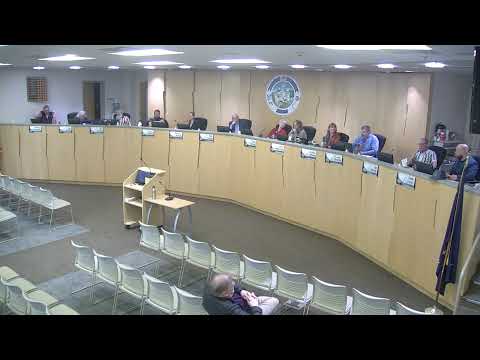
The Matanuska‑Susitna Borough Assembly voted May 5 to raise the approval threshold for contiguous local improvement districts (LIDs) to 67% after extended debate over property rights, ballot return rates and fairness to early payers.
The debate grew contentious as members advanced and defeated several amendment proposals ranging from 60% to 75%. Supporters of a higher threshold argued that residents should not be forced to pay for infrastructure they do not want, citing possible foreclosure or high borrowing costs for objecting owners. “This is a case of government infringement on people's personal property rights,” said Assembly member Michael BS during debate.
Opponents said LIDs are a practical tool to fund shared infrastructure (roads, gas, utilities) and that higher thresholds would make projects impracticable and unfairly shift costs to those who pay early. One member said LIDs ensure that those who benefit — for example, from a paved street or gas service — share the cost rather than leaving a few property owners to shoulder the entire expense.
Procedurally, the assembly first voted to reconsider the ordinance and then exchanged a series of amendments; the assembly ultimately adopted a 67% ballot approval threshold. The final roll call recorded several members opposed to the change. The assembly left other LID rules — including the two‑year hookup policy set by the utility tariff — unchanged.
What’s next: The ordinance will be incorporated into borough code; staff will update petition and ballot procedures and provide guidance to petitioners and property owners about how the new threshold affects timing and ballot campaigns.