Get Full Government Meeting Transcripts, Videos, & Alerts Forever!
Get email alerts on the Budget topic
No spam. Unsubscribe anytime.
Board of Finance reports carry‑forward reduction, urges caution on two large projects and health‑care costs
Summary
At the May 5 work session the Board of Finance reported cutting estimated fiscal‑year carry forward from $31 million to $16 million, urged delaying two large design‑phase capital projects, and recommended changes to employee health benefits to address a $1M reserve shortfall.
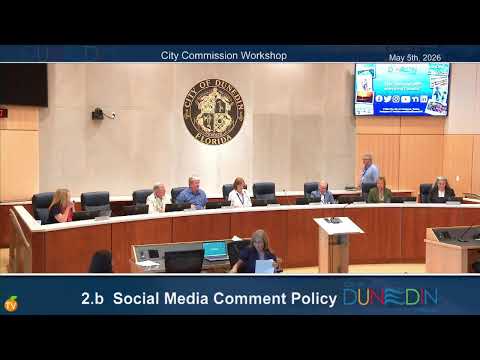
The Dunedin Board of Finance gave a mid‑year fiscal update at the May 5 City Commission work session, reporting that a combination of staff review and adjustments reduced the city’s estimated capital carry forward and flagging benefits and a potential state property‑tax change as key risks.
Katherine Harvey, chair of the Board of Finance, told commissioners the board began the year with a roughly $53 million capital budget and a $31 million carry forward; after review the team reduced the estimated carry forward to $16 million and identified another $1.2 million in projects that could be eliminated.
“We have reduced this year's estimated carry forward to 16 million,” Harvey said, and the board recommended using five‑year actual spending averages to restrain future departmental capital requests.
Harvey and finance director Les Tyler urged caution on two large projects still in the design phase: an $18 million Highlander Aquatic Complex and a $10 million parking garage. Harvey recommended delaying those projects given outstanding FEMA reimbursements (about $12 million noted as owed to the city) and property‑tax uncertainty tied to House Joint Resolution HJR203, which the board warned could be “catastrophic” if enacted because non‑school property taxes generate roughly 35% of city revenues.
On employee compensation and benefits, the board reported the city budgeted a maximum 3.5% compensation increase and saw an actual average of about 3.3% this year; health‑care claims are running about 18% higher than last year and the city’s self‑funded plan reserves have fallen by roughly $1 million. The board recommended steering employees toward less‑rich plans, increasing employee premium participation, raising out‑of‑pocket limits, soliciting bids for the third‑party administrator, and adding funding to rebuild reserves.
Commissioners asked about board staffing, recruitment for upcoming vacancies and about timing for FEMA reimbursements; staff said the seawall project reimbursement was approved and that additional federal appropriations would affect further payments.
The Board of Finance update will inform the city’s upcoming budget workshops and the commission asked staff to return with detailed comparisons and options during the July–August budget process.