Get Full Government Meeting Transcripts, Videos, & Alerts Forever!
Get email alerts on the Facilities Maintenance topic
No spam. Unsubscribe anytime.
Council weighs Machine Shop AC options; staff cites $250K–$400K equipment range and recommends engineering assessment
Summary
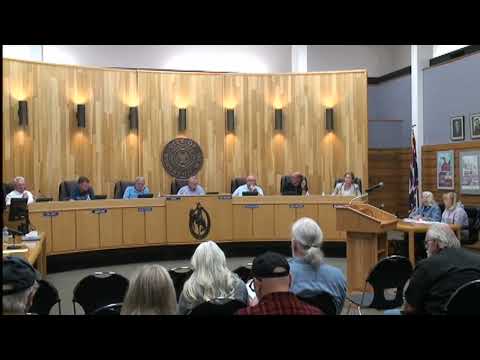
Evanston council discussed long-running plans to install air conditioning at the Machine Shop, with staff noting equipment costs (previously estimated at $250,000–$400,000), the need for a roof/structural assessment and alternatives such as portable units; public commenters suggested federal tax incentives and local fundraising.
Council members and city staff discussed options to address persistent overheating at the city-owned Machine Shop, with staff urging a methodical approach that begins with structural and roof assessments before committing to large capital expenditures.
A staff speaker summarized the project history and said equipment-only estimates from 2020 ranged from $250,000 to $400,000 and that a structural/architectural assessment will be required; design fees typically add 5–15% of project cost. The speaker recommended first hiring a structural engineer to confirm whether the roof and building can support HVAC equipment and to develop reliable cost estimates.
Alternatives discussed included purchasing industrial portable AC units (staff noted some units cost $20,000–$35,000 each and would require electrical and exhaust upgrades), restricting rentals during hot days, or using renter disclosure forms. Council members largely rejected swamp coolers because of humidity and long-term maintenance and mold risks.
Public commenter Gina Sunquist presented funding ideas and provided notes on the federal Section 179D commercial-buildings tax deduction and other energy-efficiency programs that might reduce net costs. Sunquist also suggested a voluntary water-bill 'round-up' program to generate local contributions for the Machine Shop.
Council directions: members asked staff to obtain a structural engineer’s assessment and to investigate energy-efficiency grant programs and federal incentives so the council can evaluate updated cost and lifecycle estimates before making a funding decision.