Get Full Government Meeting Transcripts, Videos, & Alerts Forever!
Get email alerts on the School Budget topic
No spam. Unsubscribe anytime.
Hillside proposes 6% tax-levy increase as administrators outline $4M structural gap and job reductions
Summary
Hillside Public School District business administrator presented a proposed $82M budget showing a roughly $4 million structural gap, proposed a 6% levy (2% cap plus health-cost waiver) to raise about $1.9 million, and outlined cuts affecting 46 positions; residents urged saving programs such as HIA Academy and questioned use of state funds.
HILLSIDE, N.J. — The Hillside Public School District on April 9 released a proposed 2026–27 budget that would raise the district tax levy about 6% and relies on one-time funds to close a structural gap of roughly $4 million.
Business administrator Mr. McNeel told the board and an attentive public that the district’s overall budget — general fund north of $74 million plus special revenues above $7 million — exceeds $82 million and that tax levy and state aid together account for roughly 80% of the district’s revenue. “As a school district, a big portion of our money comes from property taxes,” he said, adding that employee benefits alone account for about $16 million.
The proposal would use the 2% statutory levy cap and a separate waiver to cover rising health-care costs to produce a roughly $1.9 million increase in levy revenue. McNeel estimated that on a $500,000 home the total effect would be about $88 a month, roughly more than $1,000 a year.
Why it matters: McNeel said the district faces a multi-year decline in enrollment that has reduced state aid by about $2.3 million over two years, and noted a potential charter-school appropriation listed on the state aid report that would represent about a $4.37 million hit if the charter is approved. Taken together, he said, the district has seen about $6.6 million in pressure over two years.
To address the shortfall, administrators outlined a mix of one-time measures and ongoing reductions. The budget relies in part on excess surplus — a nonrecurring resource — and includes program and personnel changes the district says are necessary: about 46 positions were identified as impacted across teachers, administrators, custodians, aides and security, with roughly 21 individuals affected after reassignment efforts. The district also proposed trimming summer school, reducing some athletics programs by roughly 20–25%, and discontinuing courtesy busing for about 29 students as part of rebalancing.
Public reaction: The packed public-comment session focused heavily on HIA Academy, an in-district program many residents tied to property decisions and community identity. Students, parents and staff implored the board to preserve HIA and asked for more data on the program’s cost and student outcomes.
Amaya Presley, a senior, delivered a prepared statement on behalf of an absent parent in defense of the athletic trainer position, saying the trainer has mentored scores of students and created scholarship opportunities. Several other speakers said they moved to Hillside for HIA and urged the district to consider fundraising partnerships and foundation models rather than eliminating programs.
On questions of public grants and accountability, residents asked where prior capital awards — including a cited $500,000 state capital allocation discussed earlier — were spent. McNeel and district counsel said the esports-related funds required matching dollars and that awarded capital funds were used on modular-unit capital projects; the district said state letters document the intended capital usage.
Operational specifics and numbers: McNeel said the district does not currently have large capital reserves (he estimated about $200,000 now vs. $3.5 million in an earlier year) and that out-of-district special-education placements (about 45 students) cost the district roughly $5 million. He estimated HIA’s staffing and operating costs at approximately $1.5 million (about $1 million-plus in salaries and roughly $400,000 in benefits) and said consolidating HIA could save on administration and support but would be complex because classroom staffing and prior section-collapsing decisions limit simple transfers.
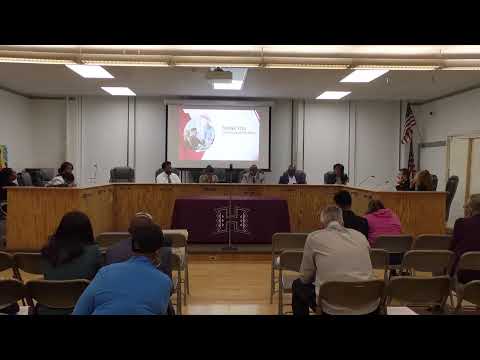
Process and next steps: The board approved motions to extend public comment several times to hear additional resident testimony. Administrators reminded residents that the tentative budget documents are posted on the business office page of the district website and that the district must submit budget paperwork on statutory deadlines; McNeel said the charter applicant has until June 30 for state approval, and that failing to pass a budget by required deadlines risks state intervention and a state monitor, which the district said would be a six-figure expense charged to the district.
What’s not yet decided: No final board vote to adopt the budget occurred during the session covered here; the board moved into executive session after public comment. The final levy and any subsequent adjustments (including whether the board could reduce its levy request if the charter is not approved) will depend on the June state action and certification timing.
The board plans further deliberations; the budget timeline and the June 30 charter deadline mean the district faces concurrent decisions about program restorations, tax levies and use of one-time reserves.