Get Full Government Meeting Transcripts, Videos, & Alerts Forever!
Get email alerts on the Protective Orders topic
No spam. Unsubscribe anytime.
Appellate panel hears dispute over mid‑hearing switch from 258E to 209A and notice requirements
Summary
In three paired protective‑order appeals the court considered whether the trial judge improperly changed statutory tracks mid‑hearing (from 258E to 209A) without identifying the operative filings or giving parties review time; the self‑represented appellant argued the switch deprived him of fair notice and context for communications relied on to show abuse.
A set of paired protective‑order appeals occupied the panel's final oral-argument slot, centering on whether a trial judge switched the statutory basis for relief mid‑hearing without providing adequate notice and an opportunity to review newly filed papers.
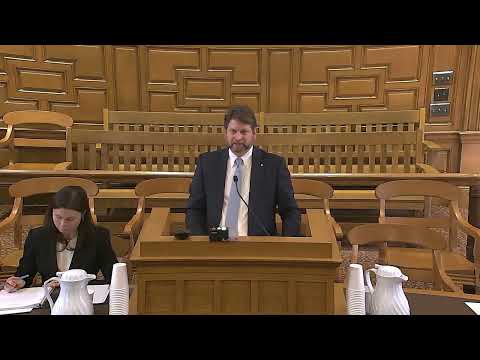
The appellant (KN) — who addressed the court pro se — argued the court moved the matters from 258E (family‑relationship petitions) to 209A (abuse/protective orders) during testimony without identifying which filings would operate under the new standard, confirming service of any refiled affidavits, or permitting time for defense review. KN said that in communications‑driven cases context is dispositive (who initiated contact, message chains and timing) and that the apparent introduction of new allegations (including an undated headlock/chokehold allegation) after the statutory track changed undermined fairness.
Appellee counsel Kelly Gara urged the court to affirm, telling the panel that the defendant and his attorney were present, prepared and used the same kinds of materials in their own filings, and that the trial court was permitted to manage proceedings with flexibility in informal protective‑order hearings. Gara and the panel also debated when coercive control (a statutory theory in some 209A filings) differs from an immediate‑fear showing and how the judge's credibility findings and in‑court observations factor into appellate review.
The justices pressed on whether the record shows the operative packet of exhibits the court relied on for each petitioner, whether any late substitution of papers was formally served before resumed testimony, and whether prejudice can be shown on appeal when counsel did not lodge contemporaneous objections or request a continuance. The cases are submitted.