Get Full Government Meeting Transcripts, Videos, & Alerts Forever!
Get email alerts on the Labor Arbitration topic
No spam. Unsubscribe anytime.
Appeals Court hears challenge to stay of arbitration in Brookline labor dispute
Summary
The court considered whether a Superior Court order improperly stayed arbitration under a collective-bargaining agreement and whether civil-service protections for some Brookline employees remove termination disputes from arbitration. Counsel for AFSCME warned the decision could deny many employees a grievance forum; town counsel argued the CBA and management-rights language require civil-service review for covered employees.
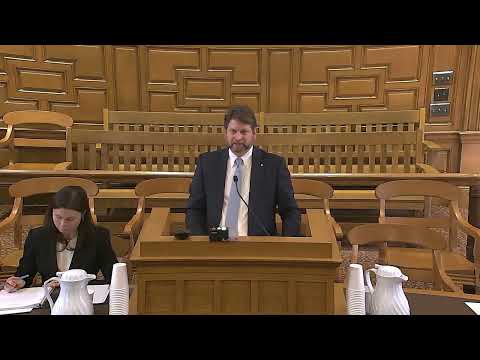
The Massachusetts Appeals Court heard competing arguments over whether a Superior Court order staying arbitration should be upheld in a dispute between the town of Brookline and AFSCME Council 93.
AFSCME attorney Evan Burwald told the panel the lower court's ruling could strip many union members of any practical way to challenge terminations. Burwald argued the collective‑bargaining agreement includes grievance and arbitration procedures and that the Superior Court's reading — which the union says removes a right to arbitrate when a termination is deemed an administrative or civil‑service matter — would leave many unit members without a remedy.
Town counsel Barry Freedelland urged the court to affirm the stay, arguing the agreement reserves core management rights to the employer and that civil‑service protections for employees hired before May 20, 2010, mean those workers must pursue Civil Service Commission review rather than arbitration. The panel spent substantial time parsing contract articles that the parties said interact — management rights, article six on civil‑service recognition, and article 20's grievance/arbitration procedure — and asking whether past practice of arbitration matters if the contract language is not ambiguous.
Justices pressed both sides on practical effects. Counsel acknowledged the CBA covers roughly 200 of 240 Brookline employees, with only a small subset (about a dozen) retaining civil‑service protections for historical hires. The court also discussed whether collective bargaining can "trump" civil‑service statutes and cited prior case law in which certain statutory protections were held to be non‑waivable by agreement.
The town argued the Superior Court properly concluded that terminations of civil‑service employees are not subject to arbitration under the CBA and that Brookline followed statutory civil‑service procedures for the employee at issue. AFSCME urged that, where the contract provides grievance and arbitration mechanisms, employees should retain access to arbitration absent an explicit statutory bar. The case is submitted.