Get Full Government Meeting Transcripts, Videos, & Alerts Forever!
Get email alerts on the Board Actions Facilities topic
No spam. Unsubscribe anytime.
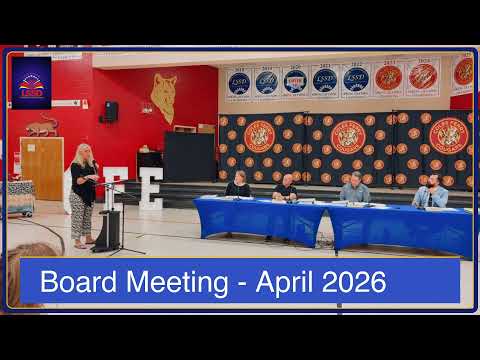
School board approves TSBA policy updates, door and lock replacements and cafeteria equipment bids
Summary
The Lebanon School District board approved two TSBA-recommended policy revisions and multiple facilities and cafeteria actions, including door/lock replacements at Burleson and Sam Houston and a bid request to replace a Colesberry refrigerator pass-through; motions passed by voice vote.
At the meeting, board members approved proposed revisions to board policies 2.400 (revenue) and 6.411 (student wellness) presented as TSBA recommendations. Administrators said the student-wellness change aligns the board policy structure with state board policy and does not change statutory requirements; the board moved and approved the policy revisions by voice vote.
The board also approved infrastructure-funded repairs to interior doors and locks. Staff presented bids of $23,352 for Burleson and $26,442 for Sam Houston and discussed scope: Byers (the transcript uses 'Bires/Byers') will replace seven interior door sets and Sam Houston eight, covering cafeteria, gym and library openings. Staff said the current wood doors will be replaced with hollow-metal doors and existing mag-lock and access-control systems will remain where applicable; estimated installation timeframe is 6–8 weeks. A voice vote approved moving forward with the work.
Sandy asked the board to take bids to replace an original refrigerator pass-through (a commercial-grade walk-in cooler/freezer with doors on both sides) at Colesberry using cafeteria funds; the board approved putting the item out to bid.
Several motions during this portion of the agenda were recorded with unanimous voice approval but without roll-call tallies in the transcript. The actions taken were procedural approvals to proceed with bidding or award the listed contracts and do not themselves appropriate funds beyond previously identified infrastructure or cafeteria sources.