Get Full Government Meeting Transcripts, Videos, & Alerts Forever!
Maine horticulturist: 'The label is the law' — strict PPE, drift limits urged for invasive-plant work
Summary
Gary Fish, Maine State Horticulturist, told invasive-plant managers that following pesticide labels, using appropriate personal protective equipment and minimizing drift are legal and safety essentials; he outlined Maine rules on buffers, permits and posting.
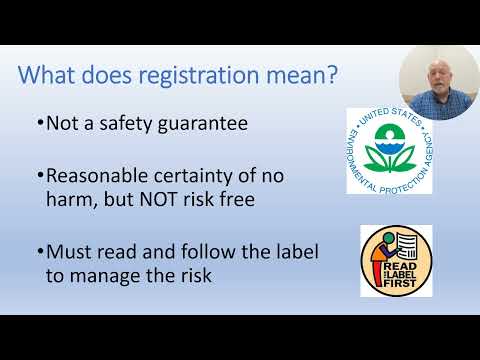
Gary Fish, Maine State Horticulturist at the Department of Agriculture, Conservation and Forestry, told invasive-plant managers during a safety briefing that pesticide labels are legally binding and that following label instructions — including required personal protective equipment — is the first line of defense against acute and chronic harms. “The label is the law,” Fish said, adding that PPE specifications on labels are not optional.
Fish framed risk as a function of toxicity and exposure: “Risk is equal to toxicity times exposure,” he said, and urged managers to choose application methods that reduce exposure, such as stem injection or brush-on cut-surface treatments rather than broadcast spraying.
Why it matters: Fish combined practical protocol with Maine-specific rules to show how applicators can lower human and ecological risks while remaining within regulatory requirements. He warned that EPA-exempt ‘‘25(b)’’ or so-called natural products and many home remedies are often ineffective on established woody invasives and are not risk-free. He also described several legal and procedural limits applicators must follow when treating near people or water.
Key details and regulations:…
Already have an account? Log in
Subscribe to keep reading
Unlock the rest of this article — and every article on Citizen Portal.
- Unlimited articles
- AI-powered breakdowns of topics, speakers, decisions, and budgets
- Instant alerts when your location has a new meeting
- Follow topics and more locations
- 1,000 AI Insights / month, plus AI Chat