Get Full Government Meeting Transcripts, Videos, & Alerts Forever!
Get email alerts on the Land Acknowledgement topic
No spam. Unsubscribe anytime.
Presenter urges land education over routine land acknowledgements
Summary
A presenter told the meeting that routinely reading land acknowledgements at every meeting dilutes their meaning and urged organizations to pursue land-education sessions—offering to speak to schools, staff and community groups and to help craft acknowledgements when requested.
A presenter at the meeting argued that routinely reading land acknowledgements at every meeting dilutes their meaning and recommended replacing repeated recitations with targeted land-education sessions.
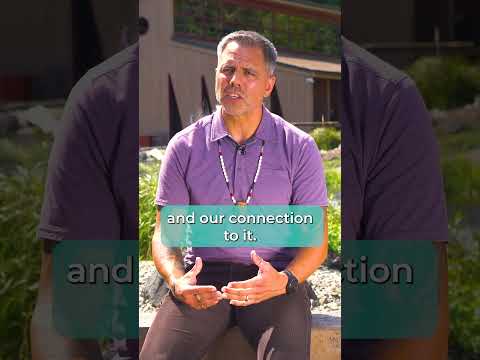
"I personally think that... these land acknowledgements should not be read at every single meeting cuz what happens is they... start to lose meaning," the presenter said, adding that education is more powerful: "I would rather... land education. I would rather... speak to their group. I speak to their employees...I speak to their constituents and teach them about the tribe and who we are, where we come from. I talk to them about the land and our connection to it and then I also get to talk to them about who we are today."
The presenter said organizations that want an acknowledgement should be prepared to educate their audiences first so the statement has context and avoids misunderstanding. "If you're going to do a land acknowledgement, it's important that you... educate the people you're doing the land acknowledgement on what it is and why," they said, warning that forcing an acknowledgement on people can "cause misinformation and resentment."
According to the presenter, they have offered land-education talks to schools and youth groups and said such sessions create "great conversation" and better prepare organizations to adopt meaningful acknowledgements. The presenter offered to help groups craft acknowledgements after providing education to staff or constituents.
No formal motion, vote, or policy directive was recorded in the transcript. The remarks appeared as a substantive presentation about best practices for land acknowledgements and community engagement.
The meeting moved on after the presenter finished; no decision or formal next step on adopting or changing land-acknowledgement practice was recorded in the transcript.