Get Full Government Meeting Transcripts, Videos, & Alerts Forever!
Get email alerts on the Mental Health topic
No spam. Unsubscribe anytime.
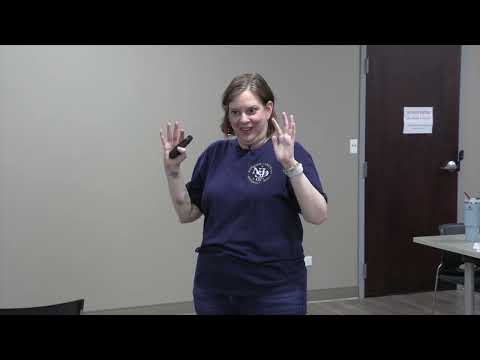
Marie Goule offers mental-health strategies to New Lenox seniors
Summary
Marie Goule, a school social worker in New Lenox, led a Triad presentation for older adults covering common mental-health concerns, practical coping tools (breathing, grounding, routines, sleep hygiene) and community resources; she said slides and links will be shared.
Marie Goule, a school social worker and the district’s lead social worker in New Lenox, told a Triad gathering of older adults that mental health and physical health are linked and offered practical strategies for coping with anxiety, depression and grief.
"Mental health is essentially how we think, how we feel, how we handle stress, how we relate to others, and how we make decisions," Goule said, defining the term before walking attendees through evidence-based techniques and everyday habits that support brain health.
Goule framed the session around risks older adults commonly face — retirement, loss of loved ones, chronic illness, reduced mobility and social isolation — and emphasized that these transitions often increase vulnerability to mood and cognitive changes. She urged routine and small, achievable goals as protective measures for executive functioning among retirees.
The presentation combined short guided practices and plain-language explanations. Goule led attendees through breathing exercises tied to positive memories and relationships, demonstrated a finger-based breathing sequence and encouraged a five-senses grounding exercise — naming five things you see, four you can feel, three you hear, two you smell and one you taste — as a portable way to interrupt panic and rumination.
She recommended progressive muscle relaxation and sleep-hygiene steps to address insomnia, advised gentle physical activity and balanced diet for overall brain health, and suggested social engagement and volunteering as ways to reduce isolation. Goule also described quick regulation "hacks," such as applying cold to pressure points behind the ear to stimulate the vagus nerve and calm the nervous system.
On diagnostic issues she cautioned that symptoms overlap: depression and dementia can look similar, and clinicians look for differences in onset and awareness. She noted growing recognition of ADHD and autism across age groups and stressed the seriousness of trauma and post-traumatic stress disorder while warning against labeling every adverse experience as trauma.
Goule acknowledged barriers that limit access to care, including insurance gaps, transportation issues and long waitlists, and suggested starting conversations with primary-care providers who increasingly screen for mental-health concerns.
She said she will share the presentation slides and resource links after the meeting and provided her contact information for follow-up questions. The session also highlighted Triad’s role in connecting public safety, social services and seniors; organizers provided a local contact for the New Lenox Police Department and noted Triad meets monthly.
The presentation focused on practical, non-clinical tools attendees can try immediately; Goule urged anyone concerned about worsening symptoms to use a crisis or safety plan and to seek professional evaluation rather than self-diagnose.