Get Full Government Meeting Transcripts, Videos, & Alerts Forever!
Get email alerts on the Waste Management topic
No spam. Unsubscribe anytime.
Ventura Regional Sanitation District warns Fillmore Toland Road landfill could reach capacity in about 14 years
Summary
Ventura Regional Sanitation District (VRSD) told the Fillmore City Council the Toland Road landfill accepts about 1,200 tons per day, generates roughly $18.5 million in operations revenue and—absent operational changes or expansion—has an estimated site life of about 13–14 years (closure projected near 2040). The district has directed a feasibility study on expansion or other measures.
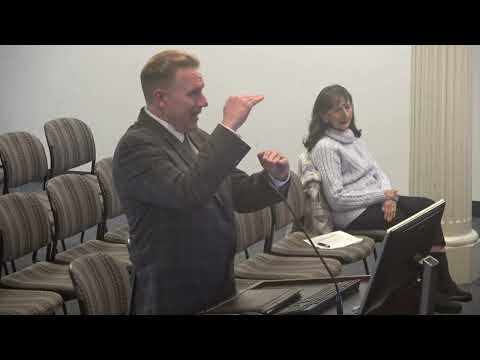
Eric, general manager of the Ventura Regional Sanitation District, told the Fillmore City Council on April 28 that Toland Road landfill—the district’s only active public landfill serving the western side of Ventura County—takes in about 1,200 tons of municipal solid waste per day and generates roughly $18.5 million in annual operations revenue.
VRSD presented the landfill’s regulatory and operational profile, saying Toland Road operates under Conditional Use Permit No. 3141 issued by the Ventura County Board of Supervisors and is open Monday through Friday for roughly 270 days a year. Eric said, "we think that we're going to our estimated site life is about 14 years," and cautioned that the site life could be extended with operational changes such as improved compaction and alternative daily covers but that the board has directed a feasibility study on potential expansion.
Why it matters: if Toland Road were to close or be unable to accept the current volume, Fillmore residents and local haulers would likely have to divert waste to private or more distant facilities. VRSD compared Toland Road’s current gate rate (about $38 per ton) with nearby private sites that charge roughly $100 per ton, noting a potential cost impact to local disposal rates if Toland Road’s capacity is reduced or lost.
The presentation noted other technical matters: leachate capture and handling (pumped and used for dust control when permitted; excess leachate may be hauled to an approved disposal site), the potential for landfill gas projects, and a board‑authorized budget to truck excess leachate after recent storms. Eric said VRSD is pursuing both operational efficiencies and a formal feasibility analysis; staff expect to return with findings by summer or, possibly, fall.
Council members emphasized diversion and recycling as local levers to extend the site life. Council praise for the district’s new manager was recorded, and council members urged continued attention to the study and to cost‑management for residents. The district provided a contact and website for further information.
Next steps: VRSD will complete the board‑directed feasibility study and return to the board (and to member agencies) with options for expansion, operational changes, or other measures that would alter the projected closure timeline. The council did not take formal action on the presentation.