Get Full Government Meeting Transcripts, Videos, & Alerts Forever!
Get email alerts on the Capital Improvement Plan topic
No spam. Unsubscribe anytime.
Monroe presents $205M six‑year CIP; staff flags $53M police facility and a large funding gap
Summary
City Administrator Deborah Knight and staff told the Planning Commission that Monroe’s draft 2027–2032 Capital Improvement Plan totals about $205 million, with roughly $63 million in facilities needs (including a roughly $53 million police facility estimate), and emphasized limited REET and grant uncertainty ahead of a public hearing next month.
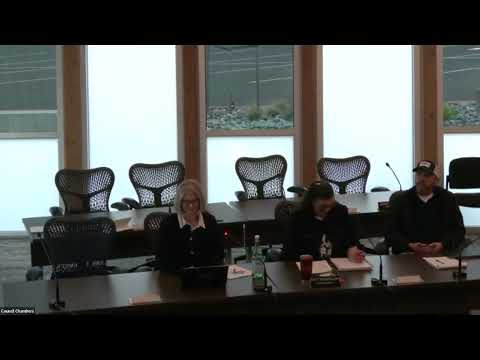
City Administrator Deborah Knight and project staff presented a Capital Improvement Plan overview to the Planning Commission on April 27, saying the six‑year package identified roughly $205 million in needs across systems and that facilities accounted for just over 30 percent of the total. Staff said an estimated $63 million of that facilities need is driven largely by a proposed new police facility, for which staff cited a preliminary estimate of about $53 million but said a final site assessment and cost estimate remain to be completed.
Knight and Jordan Otto framed the CIP as the six‑year portion of the city’s 20‑year capital facilities plan required by the state Growth Management Act and explained how the CIP underpins impact fees and eligibility for certain funding sources. "The intent then of the six‑year CIP is to ensure that we're thinking ahead about the transportation and parks and facility projects we need to build to serve new development," Knight said.
Presenters emphasized the funding gap between identified projects and anticipated revenues. Staff estimated real‑estate excise tax receipts at roughly $1.2 million in 2025 and another $1.2 million in 2026 and said many projects remain dependent on grants or voter‑approved measures. The presentation noted that recent changes to state park grant criteria (the Recreation and Conservation Office added equity criteria in 2021–22) have made Monroe less competitive for some park grants, increasing pressure on local funding sources.
Staff used the downtown "festival lot" acquisition as an example of why projects must appear on the capital facilities plan to be eligible for grants; they said having a project on the plan enabled property acquisition and subsequent grant applications. They also described project timing realities — design, permitting and construction phases often each take a year — and said some utility projects can be completed faster if they are replacements rather than new capacity.
What commissioners asked and staff answered: Commissioners pressed staff on levels of service, the percentage of impacts covered by fees and park maintenance versus new park acquisition. Knight and staff said levels of service drive what projects appear on the CIP and that impact fees are limited by state law (they cannot pay 100 percent of new project costs or be used for existing deficiencies) and by policy choices about discounts and affordability.
Next steps: Staff will return next month for a public hearing with detailed project lists, revenue forecasts and project‑level funding information to support commissioner recommendations to the city council.
(Reporting based solely on the April 27 Planning Commission meeting transcript.)