Get Full Government Meeting Transcripts, Videos, & Alerts Forever!
Get email alerts on the Biodiversity Plan topic
No spam. Unsubscribe anytime.
Mountain View reviews draft biodiversity and urban forest plan; residents press for stronger tree protections
Summary
City staff and consultants presented a new Biodiversity and Urban Forest Plan that outlines goals, 25 objectives and an implementation framework; public commenters urged stronger heritage‑tree protections, higher native‑plant targets and clearer accountability for implementation.
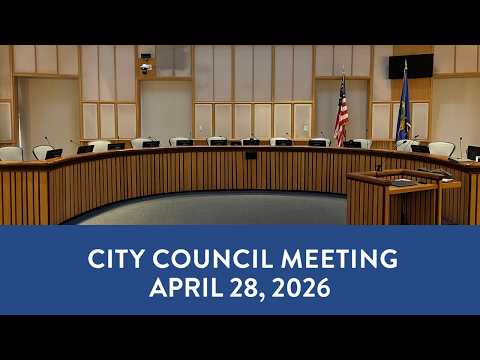
City officials and consultants presented a draft Biodiversity and Urban Forest Plan at a study session Tuesday, and public commenters urged the council to strengthen protections for large trees, increase native plantings and require clearer metrics and accountability.
Assistant Community Services Director Brenda Sylvia and Lauren Stoneburner of the San Francisco Estuary Institute described the plan as an integration of science, community input and city feasibility assessments. Stoneburner said the plan “is designed to outline a strategy to increase access to and benefits from nature,” and the draft translates that vision into goals, objectives and phased actions for implementation.
The presentation summarized the plan’s five components—vision, goals, objectives, actions and monitoring—and outlined a timeline: a multi‑year public engagement process that produced more than 1,300 community interactions and multiple commission reviews. Staff described an implementation framework that would create a cross‑departmental implementation team, identify short‑, medium‑ and long‑term actions and tie priority work to capital projects and funding sources including the general fund, CIP, tree mitigation fees and grants.
Public speakers gave the plan a generally positive reception but argued it falls short in critical areas. Robert Cox told the council he supported the draft but said the near‑term canopy target was too modest: “The goal seems to be only to get an additional 1.2% over an 8‑year period,” he said, and urged staff to look for quicker gains on city parks and school fields. Dr. Tracy Faria, a biologist, argued the plan needs “meaningful action” and safeguards, stressing that native plantings are essential for supporting insects and birds.
Members of the Santa Clara Valley Bird Alliance and local coalitions asked the council to adopt stronger language that commits the city to measurable actions and routine adaptive management. Shaunie Klein House of the Bird Alliance said the plan could be a benchmark for other cities but should include clearer stewardship, monitoring and a named staff lead to drive implementation.
Council members generally praised the plan’s vision but pressed staff for concrete next steps. Councilmember Allison Hicks asked when heritage‑tree protections could be strengthened; staff said updating the heritage tree ordinance is a short‑term action planned for follow‑up. Staff also acknowledged constraints tied to creek restoration—ownership and easement issues with valley water agencies require cross‑agency coordination—when asked about protections for Stevens and Permanente creeks.
Several council members said they want the plan to inform objective design standards for public right‑of‑way and private development, and they asked staff to return with ways to integrate the plan’s requirements into future roadway and streetscape standards. Council members also recommended periodic public check‑ins and an adaptive management approach so the city can adjust metrics and actions as implementation progresses.
Staff said the next step is to take council feedback into account and circulate a revised draft in advance of a June meeting where the plan is expected to return for final consideration.