Get Full Government Meeting Transcripts, Videos, & Alerts Forever!
Get email alerts on the Cte Enrollment Policy topic
No spam. Unsubscribe anytime.
Subcommittee debates probation policy, wait‑list management and exploratory rotations for CTE seats
Summary
Members discussed creating a probation/exit‑counseling policy to manage high‑demand CTE seats, concerns about a large wait list, and proposals for exploratory rotations in middle school to improve student-program fit.
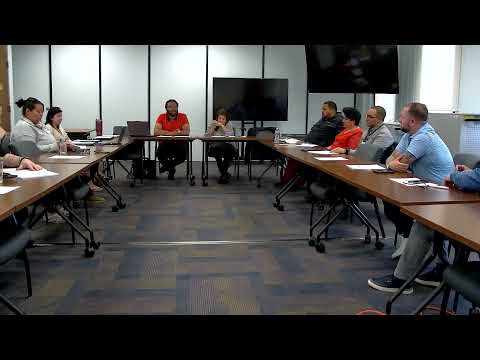
The CTE subcommittee spent a substantial portion of the meeting discussing how to manage high demand for CTE seats, whether to create a probationary period for students who are disengaged and how to help students find better program fits.
Committee members said many CTE shops operate at capacity and that seats are scarce; several members said there are large wait lists but the exact figure in the transcript is unclear. One member asked for a policy to address students who occupy seats but are not engaged, and another member urged caution and a focus on supports: “I just caution us in thinking about it as a consequence and thinking more about why isn’t this working for the student and how do we get them where they need to be,” Paula said.
Members proposed several tools: a provisional or probationary period with clearly defined supports and exit counseling; stronger alignment with unions and apprenticeship partners to provide alternative pathways; and better screening or exploratory rotations in middle school (seventh grade was suggested) so students can sample programs before committing. Ricardo and other members described rotation models where students spend short periods in multiple shops before selecting a program.
The committee agreed to continue the discussion and asked staff to draft a provisional‑period policy and possible exit‑counseling procedures for a future meeting. No motion or vote established a formal probation policy at this session.
Speakers stressed balancing accountability with supports for students and noted logistical constraints (multiple school sites and differing program offerings) that make a single district‑wide rotation model difficult. The subcommittee also discussed “step‑up” or open‑house events for middle‑school students and families to promote program awareness and improve matches between student interests and available shops.