Get Full Government Meeting Transcripts, Videos, & Alerts Forever!
Get email alerts on the Parks Greenways topic
No spam. Unsubscribe anytime.
Apex staff presents feasibility study for Haden Hall Greenway extension
Summary
Town parks staff presented a feasibility study for a roughly three-quarter-mile Haden Hall Greenway extension, saying alignment fits mainly in existing easements but may require one additional easement, will face wetland and flooding constraints, and could cost an estimated $3.5–4 million at planning level.
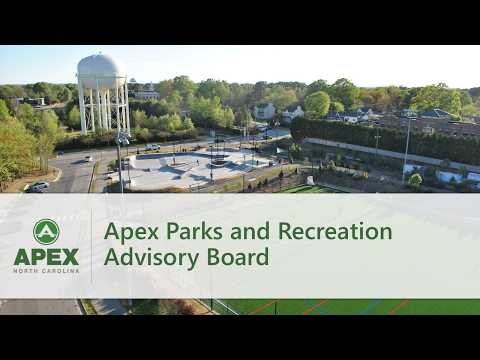
Parks staff presented a feasibility study for the Haden Hall Greenway extension at the Apex Parks and Recreation Advisory Board meeting on April 29, 2026, outlining alignment choices, environmental constraints and early cost estimates.
The study corridor is "just under three quarters of a mile," the parks staff member said, and the preliminary alignment stays mostly within existing greenway easements while avoiding the most sensitive wetlands where possible. The staff described two construction responses: elevated boardwalks to reduce wetland impacts and, in some locations, culverts to allow creek flow under the trail.
Why it matters: staff said the extension would improve neighborhood connectivity to downtown and to the Apex Peakway trail, but it would require tradeoffs between cost, environmental permitting and impacts to people who live directly adjacent to the corridor.
Staff said the town notified properties within roughly 500 feet of the proposed alignment, held an information session and provided a QR-code survey to gather feedback. "We've already gotten some responses," the parks staff member said, adding that residents have submitted photos and concerns about backyard flooding that the town is tracking.
On ownership and easements, staff said the alignment mostly fits public easements but identified one parcel near Britley Way likely to require an additional easement or minor property work. Jonathan Huff, a consultant on the study team, described the parcel at the proposed midblock crossing as "pretty tight" and said retaining features or a minor easement may be needed to build the crossing.
Cost and timeline: staff provided a planning-level benchmark for similar greenways of "about $5 to $6 million a mile," and noted that "if we're talking, you know, threequarters of a mile, you're in the three and a half to four million dollars potentially," with boardwalks and special structures able to raise costs. The parks staff member said design, permitting and construction funding would follow the capital project prioritization process; the town plans to use completed studies to inform an October capital planning cycle, and staff estimated a three- to five-year horizon if the project advances through design and funding.
Prioritization: the project will be scored against master-plan metrics adopted in 2023, staff said, including people served, connections to schools and parks, public engagement and whether the corridor aligns with regional plans. Staff reported the corridor directly connects about 400 homes but said linking to nearby bike/ped projects could increase overall use.
Resident feedback: staff characterized local responses as mixed—some residents urged the town to proceed, while others asked that impacts to backyards, privacy and drainage be addressed. The parks staff member said older greenways built in the 1990s lack a consistent long-term maintenance program and that the department is developing standards for inspections and repairs.
Next steps: study findings will inform design and funding requests. If the board and council prioritize the corridor during October capital planning, staff said the next actions would be full engineering drawings, permitting and then pursuing construction funds or grants. No formal recommendation or vote on the study was requested at this meeting.