Get Full Government Meeting Transcripts, Videos, & Alerts Forever!
Get email alerts on the Bonding Bill topic
No spam. Unsubscribe anytime.
Minnesota senators push for swift passage of $1.4 billion bonding bill to fix water, college and local infrastructure
Summary
At a Capital Investment Committee hearing, senators and union representatives urged quick passage of a $1.4 billion state bonding package to address more than $7 billion in project requests, citing water-system repairs, college facility upgrades and local job creation as reasons to act before session ends.
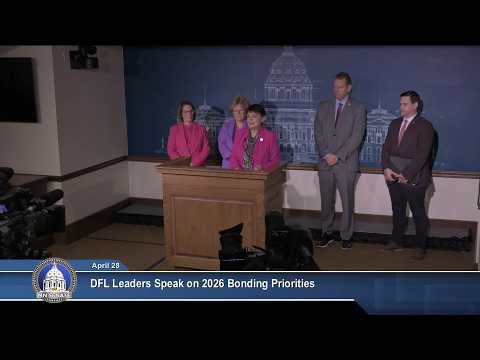
At a Minnesota Senate Capital Investment Committee hearing, Senator Sandy Pappas, chair of the committee, opened by urging lawmakers to act quickly on a proposed $1.4 billion state bonding package to address urgent infrastructure needs across Minnesota.
"We need to pass a substantial bond bill — I'm pushing for a $1.4 billion bonding package," Pappas said, noting committee members had received more than $7 billion in project requests from cities, counties, colleges and state agencies. She said the funding would address needs from unsafe drinking water to deteriorating college roofs and inaccessible state parks.
The committee heard testimony from labor leaders and senators who tied the package to local jobs and public-health needs. "Bonding dollars support what we call work hours," said Anthony, a government affairs representative for Sheet Metal Workers Local 10, who told the committee that projects funded by bonds employ skilled tradespeople and spur local spending. He cited a University of Minnesota lab renovation that required HVAC mechanics and custom metal-shop specialists.
Senator Jon Stewart described local impacts in his district, including a water treatment project in Minnetonka Beach that has already required local spending. He urged colleagues to visit construction sites to see how bond dollars are spent and highlighted "Buy America" provisions that keep much of the work and materials local.
Majority Leader Erin Murphy said passing the bonding bill this year is critical and stressed the state's fiscal position. "We have worked long and hard to maintain our triple‑A bond rating," Murphy said, adding that the rating lets Minnesota borrow at lower rates and makes projects cheaper for taxpayers.
Committee members repeatedly raised the near-term timeline: Pappas and others warned there are roughly two and a half weeks left in the session and urged negotiators to finalize targets quickly. Senators described ongoing staff work to prepare language and run scenarios so projects can be slotted once negotiating targets are set. Several speakers warned that delay increases costs and can shift burdens to local ratepayers; one senator noted a small town faced a roughly $14 million price tag to build its own water-treatment plant if state support did not materialize.
The senators also discussed which categories of projects are likelier to clear negotiations, with Pappas acknowledging that priorities differ by community: "What's essential to a community differs — one community may prioritize a fire station, another water treatment," she said. Speakers noted some funds flow through the Public Facilities Authority to reach communities that cannot otherwise afford large water projects.
No formal votes or motions were recorded in the hearing. Senators said the bonding bill must originate in the House and emphasized interchamber negotiations will shape final targets. They expressed cautious optimism that bipartisan conversations were underway and that the Senate was preparing to act as soon as the House proposal arrives.
The hearing closed with senators reiterating urgency and a plan to continue discussions; senators said staff will keep working to finalize options and that the body will push to advance a bonding bill before the session ends.