Get Full Government Meeting Transcripts, Videos, & Alerts Forever!
Get email alerts on the Budget topic
No spam. Unsubscribe anytime.
Uinta County School District officials warn state funding ‘silos’ could force cuts to classroom teachers and activities
Summary
Superintendent Thomas and finance staff told the board that the state’s recalibration creates $17M in restricted “siloed” funding and that the district faces a projected ~$600,000 shortfall in activities funding and an effective loss of classroom FTEs, prompting caution about new programs.
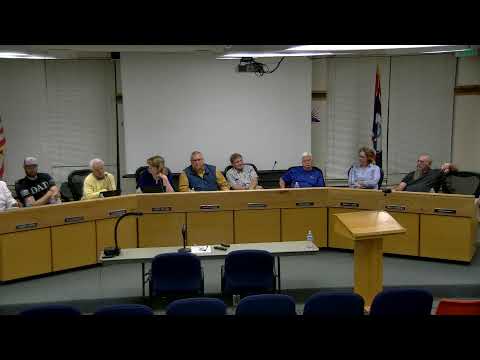
Superintendent Thomas told the Uinta County School District #1 board that a recent state school-funding recalibration has reshaped how money arrives and restricts how it can be spent, producing near-term raises but risking long-term cuts.
Thomas said the revised funding model breaks the block grant into tightly specified categories — instructional facilitators, summer-school/extended-day teachers and certified tutors — and moved roughly $17 million into those categories, which administrators cannot reallocate to other needs. He argued that the change reduces flexibility and effectively reduces resources available for classroom teachers, maintenance, clerical staff and extracurricular activities.
Using the district’s internal model, Thomas and finance staff said district-level resources could shrink and that the district is effectively resourced for about 18 fewer regular classroom teacher FTEs next year under the recalibrated model. The administration also said school-level resources show a net reduction, even while the state labeled the package as a funding increase.
The presentation warned that the activities budget in the proposed model would fall to roughly $985,000 from a current budget line that the district actually spends at about $1.6 million; that gap yields an approximate $600,000 shortfall if the district tries to maintain current offerings. Thomas said travel and tournament costs and other fixed activity charges mean cutting activity support could be painful for students.
John, the district finance lead, explained the mechanics the district will use to track the $17.9 million “silo” and discussed potential reserve and accounting strategies to meet state targets while preserving local operations where possible. Administrators said the regional cost adjustment (RCA) produced an unusually large increase this year that helps in the short term but does not remove future risk.
The board and administration urged caution: trustees said the appropriate place to set priorities is the July board retreat and budget cycle. Several trustees asked that proponents of new activities (such as a requested girls high-school softball program) provide concrete numbers and proposals so the board can evaluate tradeoffs in July. A number of public commenters — including a state legislator who took part in the recalibration negotiations — urged continued attention to local control and to fixing the silo design at the state level.
The administration said it will continue modeling scenarios for staffing, activities and capital needs and report back at future meetings. The board emphasized it would avoid speculative statements about cuts, and that any formal program changes would be decided through the budget process.
Votes at a glance
- EHS Classics national trip (Florida): approved by board motion and voice vote (action item approved) (see action record).
- Health insurance RFP: board approved issuing an RFP to solicit fully funded and self-funded bids (motion passed).
- Bus lease buyout and conversion to purchase to secure state reimbursement: approved.
- Davis Middle School roof financing agreement: approved to allow work to proceed now.
- Personnel items (resignations and certified contracts for 2026–27): accepted and approved.
- Staff climate survey contract (Wyoming State School Board Association, $4,000): motion defeated on roll call.
What happens next: administrators will continue the detailed budget work and present updated scenarios at the next board meeting, with the July retreat flagged as the point where the board will set priorities for the 2026–27 school year.