Get Full Government Meeting Transcripts, Videos, & Alerts Forever!
Get email alerts on the Civic Education topic
No spam. Unsubscribe anytime.
Wake County presenters pitch America 250 classroom materials, modeled activity for students
Summary
Wake County staff presented standards‑aligned America 250 materials and a classroom activity intended to help students explore continuity and change in U.S. history; board members asked about district implementation, administrator buy‑in and accountability for schoolwide rollout.
Wake County Public School System staff told the Student Achievement Committee they have developed standards‑aligned materials and classroom activities to help schools mark the 250th anniversary of the Declaration of Independence.
Dr. Kendra King, senior director for curriculum instruction and assessment, said the district adopted three interpretive themes developed by the North Carolina Department of Natural and Cultural Resources—"visions of freedom," "gathering voices," and "common ground"—and created flexible, grade‑level activities so schools can participate without disrupting end‑of‑year tasks or summer schedules. "The resources...offer great opportunities for us to reflect on our progress and consider how individual actions can help us to strive toward...a more perfect union," Dr. King said.
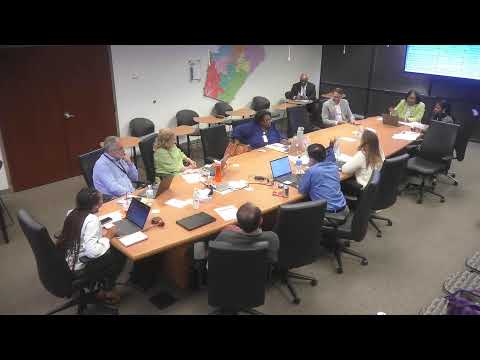
The presentation included a modeled classroom activity in which committee members identified an object that represents their family's American identity and discussed whether it reflects continuity or change. Committee members cited artifacts such as a sewing machine (linked to a father's tailoring trade and immigration), a birth certificate (family name Americanization), an NAACP lifetime pen and a folded military flag. Presenters said the exercise mirrors a lesson high school students could do and is intended to foreground multiple perspectives rather than present a simplified or celebratory narrative.
Dr. Hill framed the work as aligned with the district strategic plan and schoolboard policies, telling members the commemoration is meant to support graduation goals, equity commitments and citizenship education rather than be "extra work" for teachers.
Board members raised implementation questions: Miss Rice asked how deeply administrators and principals will be engaged and what metrics the district will use to ensure consistent implementation across 203 schools. Presenters replied that implementation will be a mix of district guidance and site‑based decisions, that the plan includes principal updates and targeted department communications, and that more detailed guidance will be shared with principals and school leaders in upcoming briefings.
The materials include classroom activities, family engagement ideas (including an "America Gives" volunteer initiative and oral‑history projects), and a phased communications plan for principal and community messaging in May. Presenters emphasized flexibility to accommodate different school calendars and offered to meet with school leaders to clarify implementation questions.
Next steps: district staff said guidance will be distributed to principals, and teams will follow up with area superintendents and school leaders to support rollout and answer outstanding questions about pacing and evaluation.