Get Full Government Meeting Transcripts, Videos, & Alerts Forever!
Get email alerts on the Data Centers topic
No spam. Unsubscribe anytime.
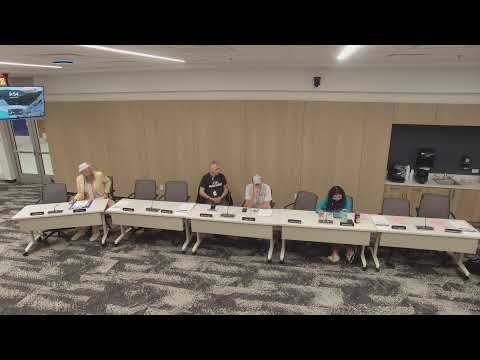
Champaign County Board approves 12‑month moratorium on large data centers after extended public comment
Summary
After more than an hour of public comment and extended debate, the Champaign County Board voted to adopt Ordinance 2026‑9 amending the zoning code to impose a 12‑month temporary moratorium on data centers with at least 10,000 sq ft of processing area to allow staff, a task force and the zoning board to draft regulations and study water and energy impacts.
The Champaign County Board on April 23, 2026 adopted Ordinance 2026‑9, a temporary 12‑month moratorium on hyperscale data centers in unincorporated parts of the county, after an extended public‑comment period and a board amendment that changed the originally proposed nine‑month pause to 12 months.
The moratorium, approved following a roll call vote after the board amended the ordinance on a motion from Chair Thorsland and a friendly amendment from Emily, bars consideration of new data‑center proposals that would include at least 10,000 square feet of processing area while the county drafts zoning rules, performance standards and other safeguards.
Why it matters: speakers at the public comment period framed the decision as a choice about water, energy and rural land use. Opponents of rapid approvals argued the county needs more time to assess potential effects on the Muhammad Aquifer, electrical capacity, noise, farmland conversion and long‑term local economic benefits. Supporters of the shorter pause—including several building‑trades representatives and some labor leaders—said nine months would strike a balance between study and predictability.
Public comments and exchanges: the meeting’s public‑comment block ran long and drew a large turnout. Chris Powers told the board he was "opposed to the construction of data centers period in Champagne County because they serve the purpose of processing data for artificial intelligence" and read concerns about AI risks and energy use. Samuel Grayson said he had filed a Freedom of Information Act request about procurement for AI‑enabled surveillance cameras and complained that the county had not complied with the five‑business‑day response requirement under the Illinois FOIA statute; he said he had filed a complaint with the Attorney General’s public access counsel.
Speakers who urged the longer moratorium cited legal risk and precedent. Amy Young and Diane Marlin urged a 12‑month pause, warning that a shorter moratorium could leave the county vulnerable to rushed decisions, appeals or legal challenges and that the county’s task force and zoning board needed more time. Christine Bidner, an Army Corps engineer, described potential long‑term competition for farmland and freshwater resources and urged thorough review. Several speakers noted Aurora and other jurisdictions that adopted packages of ordinances after earlier moratoria.
Those urging the nine‑month approach said it would provide a focused window to develop clear rules without indefinite uncertainty. Chrissy Weber, business manager for Roofers Local 97, told the board the nine‑month recommendation from the Environment and Land Use Committee (ELU) "strikes a balance" and gives staff and the task force time to prepare enforceable rules without creating needless delay.
The vote and next steps: the board’s roll call accepted the amendment changing the moratorium to 12 months and then adopted the amended ordinance (Ordinance 2026‑9). The ordinance will direct county staff and the data‑center task force to complete recommendations and send them to the zoning board of appeals and then back to the board for any final ordinances and project approvals. The task force’s next public meeting was noted as May 4 (followed by additional work in May). The county also heard that the Prairie Research Institute’s presentation on April 23 would provide updated aquifer mapping intended to inform the task force’s work.
What the ordinance does not do: the moratorium is a pause on new zoning approvals for specified large data centers; it is not a ban, it does not authorize permit denials for projects already in process, and it does not itself adopt permanent standards. Board members and staff stressed the moratorium’s stated intent is to buy time for research, public input and ordinance drafting.
The board recessed briefly after the vote and continued the agenda, including a technical presentation on the Muhammad Aquifer and the county financial forecast.