Get Full Government Meeting Transcripts, Videos, & Alerts Forever!
Acadia vegetation manager outlines methods and trade-offs for invasive-plant control in Maine
Summary
Jesse Wheeler of Acadia National Park summarized mechanical, chemical and biological methods for managing invasive plants, emphasized integrated pest management and local permitting, and flagged shoreland rules and multi-year maintenance needs.
Jesse Wheeler, vegetation program manager at Acadia National Park, told attendees the choice of invasive-plant control should be site-specific and planned for the long term. “Choose the least aggressive method to do the job,” he said, urging managers to prioritize prevention, monitoring and revegetation.
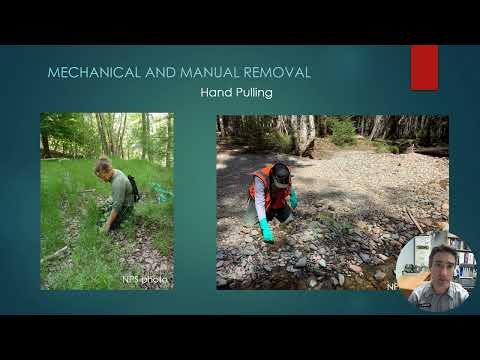
Wheeler described a range of physical methods — from forestry mulching and brush cutting to hand pulling and the weed-wrench tool — noting trade-offs between immediate removal and soil disturbance that can encourage reinvasion. He said heavy mechanical approaches are best used as a last resort when invasive cover is widespread because they remove native plants and require a solid revegetation plan.
For individual shrubs, Wheeler described stem-bagging (commercially marketed examples such as "Buckthorn Baggies") and said field trials at Acadia show roughly 50–75% mortality when bags remain in place across growing…
Already have an account? Log in
Subscribe to keep reading
Unlock the rest of this article — and every article on Citizen Portal.
- Unlimited articles
- AI-powered breakdowns of topics, speakers, decisions, and budgets
- Instant alerts when your location has a new meeting
- Follow topics and more locations
- 1,000 AI Insights / month, plus AI Chat