Get Full Government Meeting Transcripts, Videos, & Alerts Forever!
Get email alerts on the State Legislation topic
No spam. Unsubscribe anytime.
State delegates report funds, consumer protections and utility relief for Gaithersburg residents
Summary
Delegation members briefed Gaithersburg’s Mayor and Council on the 2026 legislative session, announcing local capital aid, utility relief measures, child care funding, immigrant‑protection bills, and consumer protections for dynamic pricing. Delegates and senators emphasized affordability and public safety.
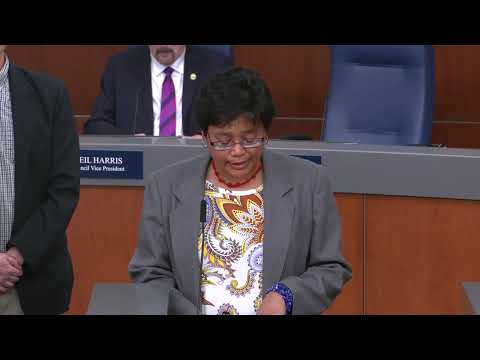
A delegation of Maryland lawmakers told the Gaithersburg Mayor and Council on May 4 that the 2026 legislative session delivered a mix of funding and policy changes intended to address affordability, public safety and local needs.
Delegate Ryan Spiegel, who focused on the state budget, said the delegation secured several items targeted to Gaithersburg: $750,000 in state aid to support capital investment in the new municipal complex, $50,000 for façade improvements in downtown Gaithersburg, $435,000 for Rebuilding Together, and $1 million for capital improvements at Shady Grove Adventist Hospital. Spiegel also highlighted the Utility Relief Act, which he said will reduce household utility bills by at least about $150 in the coming fiscal year while creating programs to hold large energy users accountable.
Other delegation members outlined additional accomplishments. Senator Cheryl Kagan described Senate actions to expand energy and school mental‑health funding and to create a revolving loan fund in the utility legislation to help nonprofits finance renewable energy and efficiency improvements. Delegates described bills banning 287(g) agreements — which deputize local officers to carry out federal immigration enforcement — and other measures aimed at protecting immigrant communities and limiting ICE actions in sensitive locations.
Delegate Palakovich Carr told the council the legislature added roughly $20 million to Maryland’s Child Care Scholarship Program and made structural adjustments that will allow about 3,700 additional children to come off the program’s wait list in the coming months. Delegates also cited consumer‑protection steps: a new law limiting dynamic surveillance pricing for groceries and measures preventing utilities’ executive pay or private jet costs from being passed to ratepayers.
Council members thanked the delegation for the district funding and legislative work. Several council members asked technical follow‑ups about particular bills, including pilots for automated enforcement in school stop‑sign intersections and the status of noise camera authority for municipalities.
The delegation’s updates included requests that the city review and consider opportunities tied to the legislation as the governor signs pending measures into law.