Get Full Government Meeting Transcripts, Videos, & Alerts Forever!
Get email alerts on the Gambling Regulation topic
No spam. Unsubscribe anytime.
Senate approves bill to curb abusive sports‑betting practices, tighten ads and set deposit limits
Summary
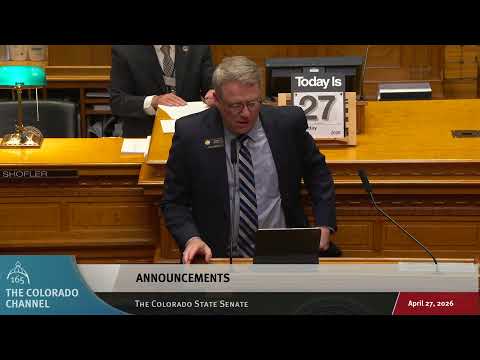
The Senate passed SB 131 on April 27, 2026, adopting amendments that restrict ads targeted at children, require reporting by leagues, set deposit‑frequency limits and preserve operators’ ability to remove players who exploit systems.
The Colorado Senate voted to pass Senate Bill 131 on April 27 after a floor debate that reshaped the measure through several amendments. The bill, sponsored by Senators Ball and Pelton B, responds to concerns that modern online sports‑betting apps operate like "a casino in your pocket" and that some players and minors are vulnerable to aggressive marketing.
Sponsor Senator Ball framed the bill as a public‑health measure aimed at protecting people with gambling disorders, saying the bill responds to changes in apps since Colorado legalized online sports betting in 2019. "Gambling addiction is different from a lot of other addictions because it's very easy to hide," Ball told colleagues, and noted studies and committee testimony linking gambling problems to higher suicide risk and high youth participation rates.
Key floor changes adopted address advertising and consumer safeguards. Amendment L9 narrowed an original daytime advertising ban into a prohibition on targeting advertising to audiences where the majority are children and retains enforcement thresholds already used in regulations. L14 adjusted reporting rules for professional leagues' reports to the Division of Gaming, L15 clarified a 24‑hour period and raised an automatic deposit‑count limit from five to six in a 24‑hour window, and L16 removed language that would have restricted operators from removing winning accounts.
Supporters said the changes strike a balance between consumer protections and operational reality. Opponents said some tools are redundant with existing voluntary controls on apps and expressed concern about shifting players to offshore or illegal markets. After addressing technical language and several committee reports, the Senate chair announced the bill was adopted.
The Senate action sends SB 131 forward for engrossment and final steps; committee reports and amendments are in the Senate record.