Get Full Government Meeting Transcripts, Videos, & Alerts Forever!
Get email alerts on the Budget topic
No spam. Unsubscribe anytime.
Wilmette SD 39 reviews conservative draft of 2027 budget as property taxes and health-care costs rise
Summary
District finance staff presented a conservative first draft of the 2027 budget showing property taxes as the primary revenue source, projected operating revenue/expenditures near $81 million, an operating surplus of roughly $700,000 and an overall fund balance around 40%; leaders flagged falling interest income and lower special-education transportation reimbursement as pressures.
The Wilmette SD 39 Committee of the Whole reviewed a first draft of the district's 2027 budget May 11, where district finance staff framed the document as a conservative starting point ahead of a tentative budget vote in June and final board action in August. Voltemeyer, introduced by a board member as the presenter, said the draft uses a 2.9% CPI assumption and a net property-tax collection rate of roughly 98%.
The presentation placed property taxes as the district's largest revenue source. "Property taxes now surprisingly is our overwhelmingly top area," Voltemeyer said, and he noted the estimated 2025 levy (including debt service) exceeds $72,000,000. The district currently shows operating revenues and expenditures near $81,000,000 and an operating-fund surplus of just over $700,000; after planned transfers the draft shows a net deficit of about $3,500,000 and a projected fund-balance target near 40%.
Voltemeyer warned interest revenue is down from recent peaks. "We kinda hit some high high points at just over 2,000,000," he said, and projected interest income for fiscal 2027 is approximately $1.3 million after Cook County distribution delays that cost the district an estimated $500,000 in fiscal 2026. He told the board county billing and distribution timing is a material uncertainty and that the statutory timing for tax bills (bills go out July 1, second installment due Aug. 1) makes the summer the likely window for clarity.
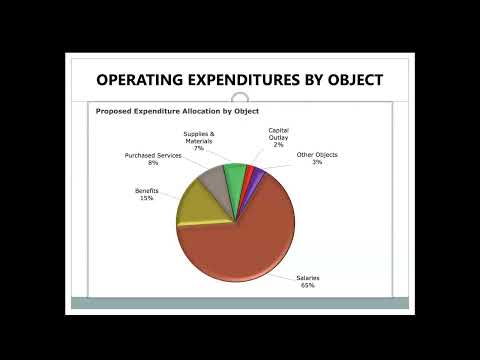
The presenter highlighted state reimbursement pressures on special-education transportation: he said reimbursement rates have fallen from above 80% seven years ago to below 50% today, producing about a $400,000 reduction in net funding compared with earlier levels. Salary and benefits account for roughly 80% of annual expenditures, and a recent benefits renewal raised costs materially. Voltemeyer said the blended increase in insurance renewals and other benefits adds roughly $735,000 annually to the board's share, and confirmed a 4.15% figure for the teachers' union placeholder included in the draft.
Other items in the draft: capital-projects funding is shown at $3,500,000 with a junior-high window replacement slated for the summer; four long-term bonds and debt certificates remain outstanding, and transfers include $800,000 of operating money pledged to cover debt certificates. The draft also incorporates a preliminary IMRF employer rate of 5.89% for the next calendar year.
Board members praised the overall approach and the conservative assumptions, while seeking clarification on the timing and scope of revenue flows. A board member asked whether Cook County collected interest during distribution delays; Voltemeyer explained the county's billing and remittance patterns and said the district will reassess numbers over the summer as distributions settle. The committee did not take further budget action; the presenter said staff will return with more developed proposals in June and the board will take formal action in August.
A motion to approve the minutes earlier in the meeting passed; the committee later moved to executive session on student, personnel and negotiation matters and adjourned at 9:05 a.m.
What happens next: staff will revise the draft over the summer, present a tentative budget in June and bring a final budget for board approval in August, with continued monitoring of Cook County distributions and state reimbursement levels that affect the district's revenue outlook.